

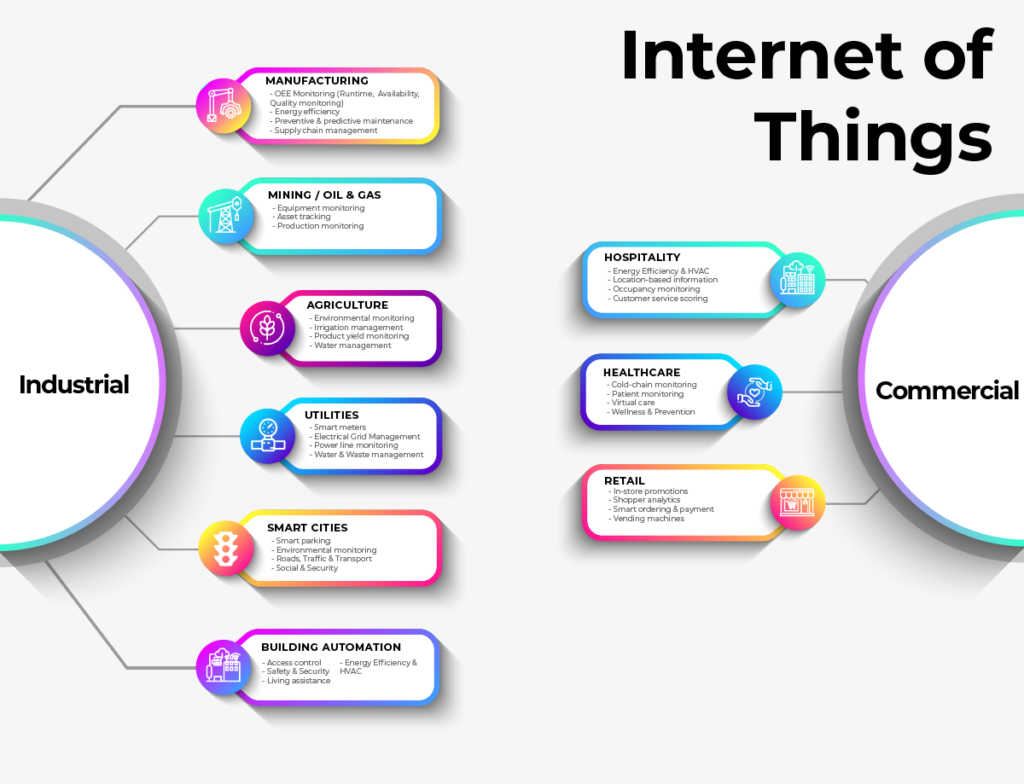
The Internet of Things (IoT) has transformed how people interact with technology by embedding connectivity into everyday objects. From smart home devices to connected industrial systems, IoT is reshaping industries, improving efficiency, and unlocking new opportunities. This guide provides a clear, well-organized, and practical overview of IoT, suitable for students, professionals, and curious readers alike.
What Is the Internet of Things?
The Internet of Things (IoT) refers to a network of physical devices embedded with sensors, software, and connectivity that enables them to collect and exchange data over the Internet. These “smart” objects can communicate with each other and with centralized systems, enabling automation, optimization, and real-time insights.
At its core, IoT bridges the physical and digital worlds by enabling devices to sense their environment, transmit data, and act on a set of rules or conditions without direct human intervention.
How IoT Works: Key Components Explained
Understanding IoT requires breaking down its major building blocks:
Sensors and Actuators
- Sensors collect data from the physical environment (e.g., temperature, motion, light).
- Actuators perform actions based on commands (e.g., turning on a motor or adjusting a valve).
Connectivity and Communication
Devices use various protocols (Wi-Fi, Bluetooth, cellular, LoRaWAN) to send data to other devices or centralized servers for processing.
Data Processing and Storage
Collected data is processed locally (edge computing) or in centralized cloud systems. IoT platforms aggregate, analyze, and store data for insights and automation.
User Interface
Users interact with IoT systems through apps, dashboards, voice assistants, or automated alerts, enabling control and decision-making.
Types of IoT Systems
IoT systems vary based on application, scale, and complexity:
Consumer IoT
These are the everyday smart devices found in homes and personal environments:
- Smart thermostats (e.g., adjusting temperature based on occupancy)
- Wearables (fitness bands tracking health metrics)
- Smart plugs and lighting systems
Industrial IoT (IIoT)
Used in enterprise and industrial settings to improve operations:
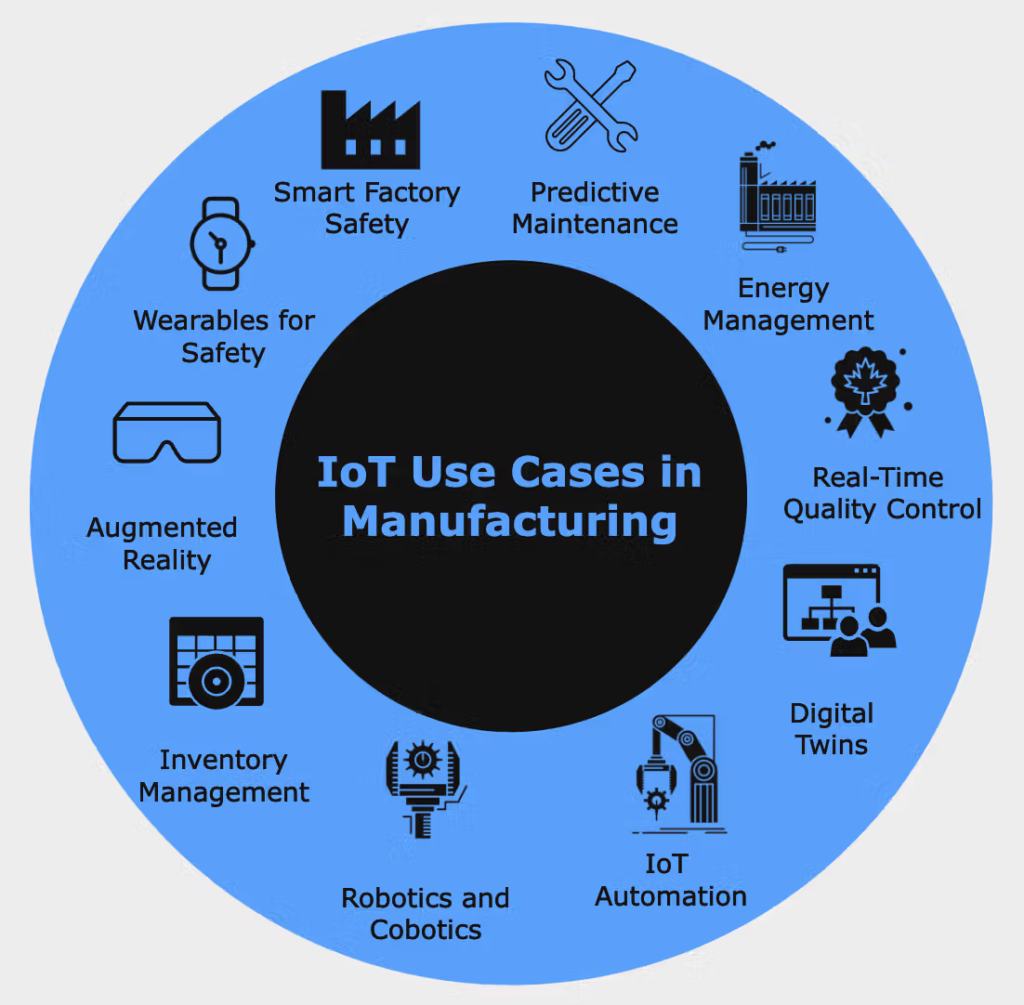
- Predictive maintenance in manufacturing
- Asset tracking in logistics
- Environmental monitoring in agriculture
Enterprise and Smart Cities
Organizations and cities use IoT to enhance services and infrastructure:
- Smart parking and traffic management
- Energy usage optimization in buildings
- Public safety and environmental sensors
For examples of industrial and urban IoT implementations, see the World Economic Forum’s analysis on IoT in global systems.
Practical Examples of IoT in Action
Smart Homes
Imagine waking up to a home that:
- Starts your coffee machine when your alarm rings
- Adjusts lighting based on natural light levels
- Alerts you when your refrigerator door is left open
Smart homes rely on IoT devices communicating seamlessly through a hub or voice assistant.
Healthcare and Wearables
Wearable devices monitor vital signs like heart rate and sleep patterns. In clinical settings, IoT can enable remote patient monitoring, alerting caregivers when intervention is needed.
Agriculture and Farming
Sensors placed in fields measure soil moisture, weather conditions, and crop health. Farmers use this data to make data-driven decisions, improve yields, and conserve resources.
Benefits of IoT
Enhanced Efficiency and Automation
IoT enables systems to adjust automatically based on real-time data, reducing manual intervention and improving efficiency.
Cost Savings
Predictive maintenance alerts organizations to potential equipment failures before they become expensive problems.
Better Decision Making
Data analytics from IoT sensors provides insights that drive better strategies and actions.
Improved Quality of Life
From health monitoring to energy management, IoT offers solutions that simplify everyday life.
Challenges and Considerations
While IoT offers significant advantages, it also presents challenges that organizations and individuals must address.
Security and Privacy
IoT devices collect sensitive data. Ensuring secure communication and protecting user privacy are critical. Unsecured devices can become entry points for cyberattacks.
Interoperability
With many manufacturers and protocols, ensuring devices from different vendors “speak the same language” can be difficult.
Scalability
As IoT networks grow, managing thousands of connected devices becomes more complex. Robust infrastructure and management platforms are essential.
Best Practices for IoT Deployment
Start with Clear Goals
Define the problem you’re trying to solve before selecting devices or platforms.
Prioritize Security
Encrypt data, use secure authentication, and update firmware regularly.
Choose Flexible Platforms
Select IoT platforms that support integration, scalability, and analytics.
Plan for Data Management
Ensure you have systems to handle large volumes of data generated by IoT devices, including storage, processing, and analytics.
The Future of IoT
The IoT landscape continues to evolve with advances in:
- AI and Machine Learning: Enabling smarter decision-making at the edge
- 5G Networks: Providing faster, more reliable connectivity
- Edge Computing: Reducing latency by processing data locally
As devices become more intelligent and interconnected, IoT will increasingly influence industries, cities, and our daily routines.
Conclusion
The Internet of Things is a transformative technology reshaping how devices connect, communicate, and contribute to better decision-making and automation. By understanding the components, applications, and best practices of IoT, organizations and individuals can unlock new possibilities and create smarter, more efficient systems. Whether in homes, industries, or cities, IoT’s impact continues to expand, driving innovation and improving experiences.
