






Personal growth rarely happens by accident. Whether your goal is to learn a new skill, improve your health, build better habits, read more, or advance professionally, meaningful progress requires consistent action. One practical way to turn intentions into action is the time blocking method.
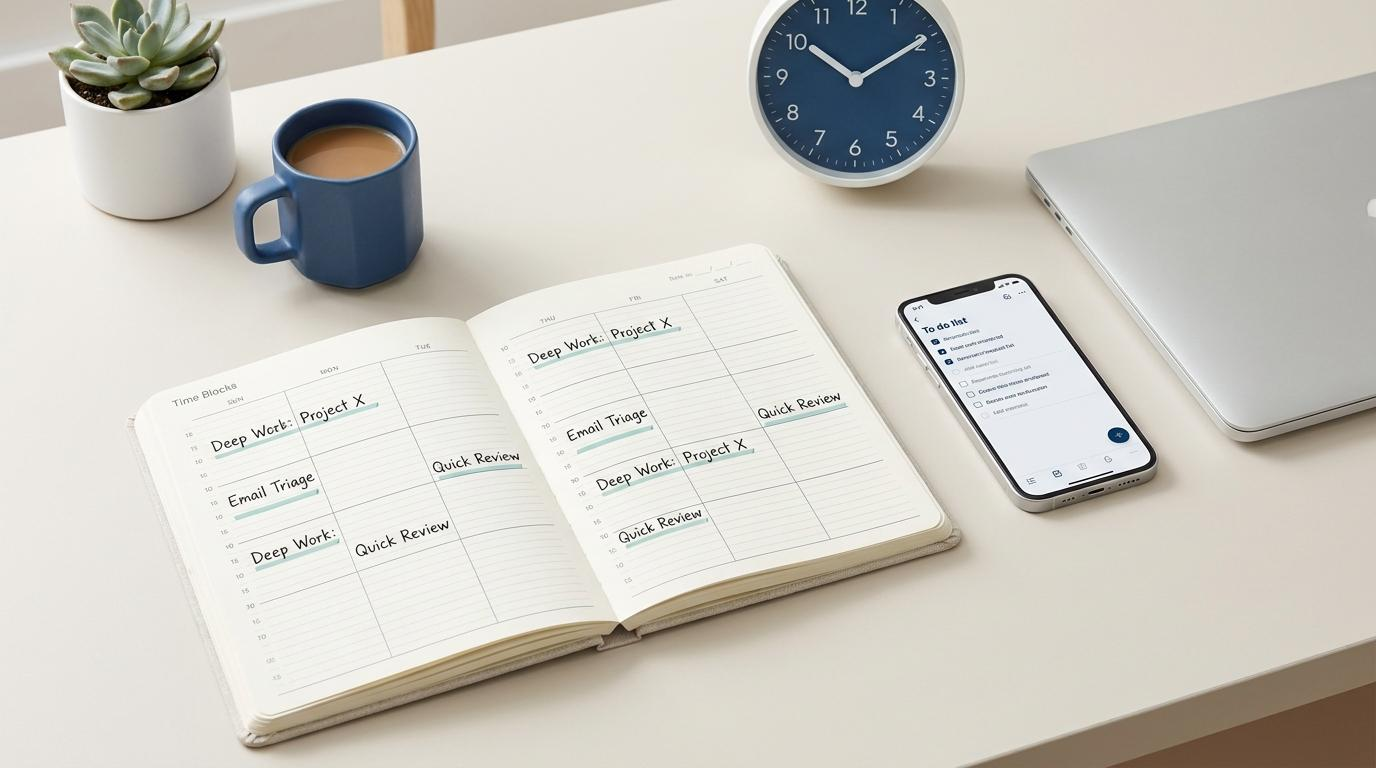
Time blocking means dividing your day or week into dedicated periods and assigning each block a specific activity, priority, or type of work. Instead of simply writing “exercise,” “study,” or “work on my goals” on a to-do list, you decide when those activities will happen.
Research on time management suggests that effective planning can support performance, academic achievement, and well-being, while universities such as Stanford and the University of Pennsylvania recommend time-blocking principles for structured planning.
What Is the Time Blocking Method?
Time blocking is a scheduling technique in which specific periods are reserved for specific tasks.
For example:
- 7:00–8:00 AM: Exercise and morning routine
- 9:00–11:00 AM: Important professional project
- 2:00–3:00 PM: Learning or skill development
- 6:00–7:00 PM: Family or personal time
- 8:30–9:00 PM: Reading and reflection
The key difference between a traditional to-do list and time blocking is simple: a to-do list identifies what you want to accomplish, while time blocking also determines when you will work on it.
How Time Blocking Supports Personal Growth
1. Turns Goals Into Scheduled Actions
Many personal goals fail because they remain intentions. Saying “I want to learn digital marketing” is different from reserving 45 minutes every weekday for learning.
Time blocking creates a visible commitment. When learning, exercise, reading, or creative work receives space on your calendar, these activities become part of your routine rather than tasks you complete only when you have spare time.
2. Helps You Prioritize What Matters
A busy schedule can easily become filled with emails, messages, meetings, errands, and other urgent demands.
Time blocking encourages you to schedule important activities before less important ones. Stanford’s guidance specifically recommends scheduling non-negotiables and leaving buffer space so plans can adapt when circumstances change.
For personal growth, this might mean protecting time for:
- Exercise and physical activity
- Reading
- Professional education
- Creative projects
- Family relationships
- Reflection and planning
3. Encourages Focused Work
Switching constantly between unrelated activities can make it harder to maintain concentration. A dedicated block gives you a clear objective: focus on one meaningful activity during that period.
For example, instead of checking emails while studying, create a 60-minute learning block with notifications turned off. Email can have its own later block.

4. Builds Consistency and Accountability
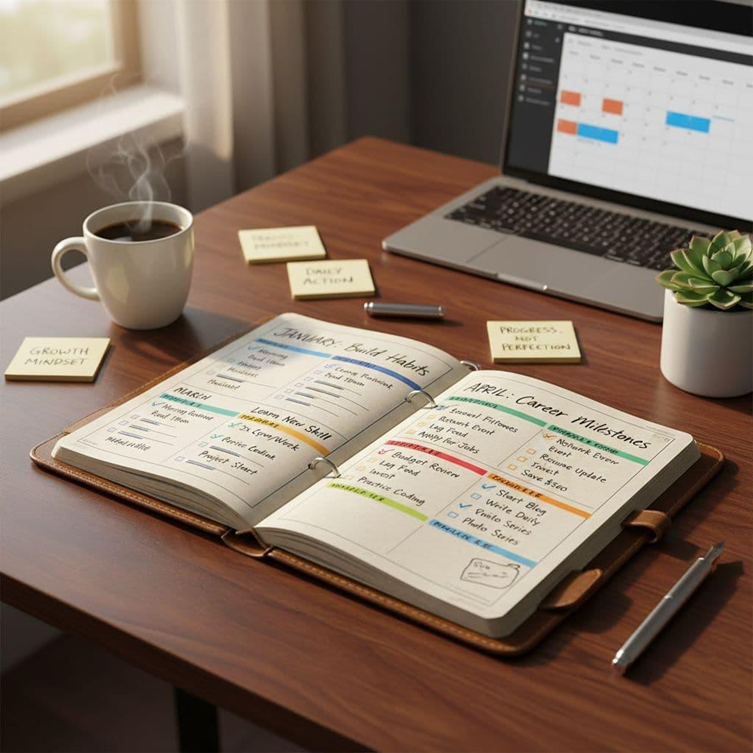
Personal growth depends heavily on repeated behavior. A single workout, book chapter, or study session is useful, but consistent repetition creates momentum.
A weekly time-blocking system allows you to review whether you actually invested time in the areas you say are important.
How to Create a Personal Growth Time-Blocking System
Step 1: Define Your Top Goals
Choose two or three areas you genuinely want to improve. Avoid trying to transform everything simultaneously.
For example:
Career: Learn one new professional skill.
Health: Exercise four times per week.
Personal: Read 20 pages each evening.
Step 2: Identify Fixed Commitments
Add work hours, classes, appointments, meals, commuting, and other obligations first.
Then identify the remaining periods that can support your growth goals.
Step 3: Create Dedicated Growth Blocks
Assign realistic periods to your priorities. You might schedule 30 minutes for reading, 45 minutes for exercise, or 90 minutes for focused learning.
Do not automatically fill every available minute. A practical schedule needs flexibility.
Step 4: Match Tasks With Your Energy
Pay attention to when you naturally feel most alert.
If your concentration is strongest in the morning, reserve that period for demanding work or learning. Less demanding activities such as administration can be placed during lower-energy periods.
The University of Georgia similarly recommends using awareness of your productive periods when scheduling high-priority activities.
Step 5: Review Your Week
At the end of each week, ask:
- Which blocks did I complete?
- Which activities consistently got postponed?
- Did I schedule too much?
- Which goals received enough attention?
- What should change next week?
The purpose is not to achieve a perfect schedule. It is to create a scheduling system that becomes increasingly realistic.
Practical Example
Imagine someone wants to improve their career skills while maintaining their health.
Their weekday schedule could look like this:
| Time | Activity |
| 7:00–7:45 | Exercise |
| 9:00–11:00 | High-priority work |
| 11:00–11:30 | |
| 2:00–2:45 | Professional learning |
| 5:30–6:30 | Personal/family time |
| 8:30–9:00 | Reading and reflection |
After several weeks, the person can review whether these blocks are realistic and adjust them according to actual progress.
Common Time-Blocking Mistakes
Overloading the Calendar
Scheduling every minute leaves no room for unexpected tasks. Buffer periods are important.
Making the Schedule Too Rigid
A good time-blocking system should guide your day, not control it. If an important event changes your schedule, move the block rather than abandoning the goal.
Prioritizing Busyness Over Progress
Completing many small tasks does not necessarily equal personal growth. Give your most important goals dedicated time.
Ignoring Rest
Sleep, meals, recreation, relationships, and recovery should not be treated as wasted time. A sustainable schedule needs space for them.
Conclusion
The time blocking method for personal growth is ultimately about converting priorities into consistent action. By assigning specific periods to learning, exercise, reflection, relationships, and meaningful work, you make personal development a planned part of everyday life.
The most effective approach is not to create a perfect schedule. Start with a few important goals, block realistic periods for them, protect your focus, leave room for unexpected events, and review your results every week.
When your calendar begins to reflect the person you want to become, personal growth becomes less dependent on motivation and more connected to consistent, intentional action.


