







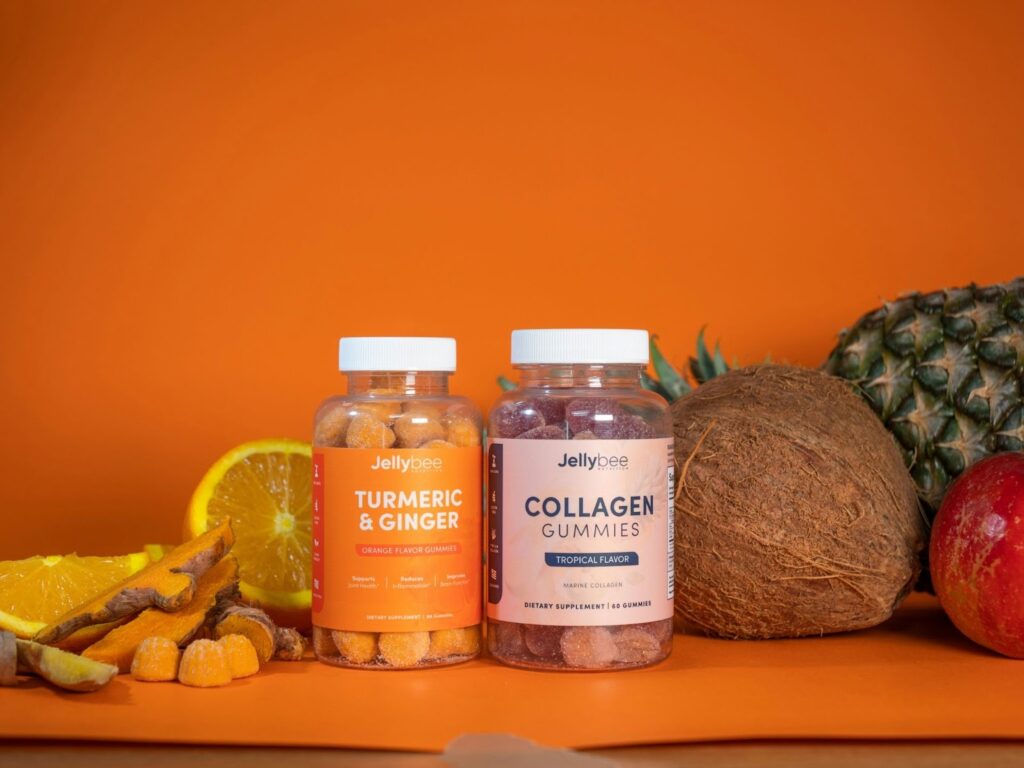
As we move deeper into 2026, the landscape of health supplementation continues to evolve rapidly. Driven by rising consumer interest in preventive health, resilience, and holistic wellbeing—as well as scientific validation of functional ingredients—certain supplements are firmly poised to lead the market. With the global dietary supplements industry expected to grow substantially by 2026 and beyond, it’s important to understand which supplements are trending with credible evidence and real-world relevance.
Below, we explore the most significant supplement trends, what they do, and how they are being used in everyday life.
Why Supplements Matter in 2026
Supplementation is no longer just about filling nutritional gaps. Modern consumers seek bioactive compounds that support targeted health outcomes like gut balance, cognitive performance, physical recovery, and metabolic resilience. Market growth reflects this shift: specialty products like probiotics, adaptogens, and nootropics are among the fastest-growing categories.
This growth is driven by greater health awareness, aging populations, and the desire for evidence-informed wellness strategies, rather than broad, one-size-fits-all nutrition.
Core Supplement Trends Shaping 2026
Gut Health & Microbiome Support
One of the clearest trends is the gut health revolution. Probiotics, prebiotics, synbiotics (combined formulations), and fiber supplements are in high demand as people learn more about the gut’s role in immunity, mood, and metabolic health.
Why it matters:
- The gut microbiome influences digestion, immunity, and systemic inflammation.
- Synbiotics, combining beneficial microbes and the fibers that feed them, may deliver stronger anti-inflammatory benefits than standalone omega-3s in some studies.
Practical use: A daily probiotic or fiber supplement can support regularity and overall gut balance, especially for those with low dietary fiber intake.
Minerals & Bone Health Essentials
Mineral supplements—especially forms designed for specific health outcomes—are gaining traction. For instance, magnesium glycinate (for relaxation and sleep support) and magnesium l-threonate (for cognitive support) are drawing notable interest.
Other minerals on the rise:
- Iodine for thyroid function
- Vitamin D3 + K2 combinations for bone and cardiovascular health
Real-world angle: These nutrients are key in people with limited sun exposure or low dietary intake of micronutrient-rich foods.
Sports Nutrition & Performance Aids
The sports nutrition category remains a strong growth area. Classic supplements like creatine dominate due to their well-documented effects on strength, muscle mass, and even brain energy. Electrolyte mixes are also booming thanks to easier hydration and recovery routines.
Real-world application:
- Creatine isn’t just for athletes—many use it for strength, cognitive resilience, and aging support.
- Electrolyte blends offer convenient hydration without the sugar found in traditional sports drinks.
Longevity & Cellular Health Compounds
Interest in longevity is not fading; compounds that support metabolic health and cellular resilience are trending. Ingredients like berberine, NMN (nicotinamide mononucleotide), and glutathione are among those gaining attention.
Why it matters:
- These compounds are studied for impacts on metabolic pathways, NAD+ levels (a molecule tied to cellular energy), or antioxidant defense.
Caveat: Many longevity supplements still require stronger clinical evidence to fully confirm their long-term benefits. Always consult a healthcare provider before starting any high-dose or novel supplement.
Herbal & Botanical Extracts
Traditional plant-based extracts are enjoying a renaissance, marrying ancient use with modern science. Dandelion root, moringa, oregano oil, and propolis are among botanicals seeing increased attention.
Practical insights:
- Many botanical supplements are valued for mild antioxidant, anti-inflammatory, or immune-supportive properties.
- They’re often chosen by individuals seeking whole-plant complexity over isolated chemical compounds.
What’s Driving These Trends?
Evidence Demand & Bioavailability Focus
Consumers are becoming more discerning—preferring supplements with clinical backing and bioavailability data. Products that demonstrate real physiological effects, not just marketing claims, tend to retain loyalty and trust.
Personalization & Holistic Routines
Rather than generic multivitamins, many people opt for targeted stacks—combinations of supplements chosen to support specific health goals like sleep, stress resilience, or cognitive clarity.
Practical Tips for Supplementation in 2026
- Start with core essentials: don’t overlook foundational nutrients like magnesium, vitamin D, and omega-3s.
- Prioritize quality: look for third-party testing and transparent sourcing.
- Pair supplements with lifestyle: diet, exercise, sleep, and stress management remain fundamental.
Conclusion
Health supplements in 2026 reflect a maturing industry that values science, personalization, and functionality. From gut health and mineral support to performance enhancers and botanicals, current trends show a broad yet evidence-oriented approach to supplementation. As always, the most effective strategy blends informed supplement use with a balanced diet and healthy lifestyle—backed by guidance from qualified health professionals.


