







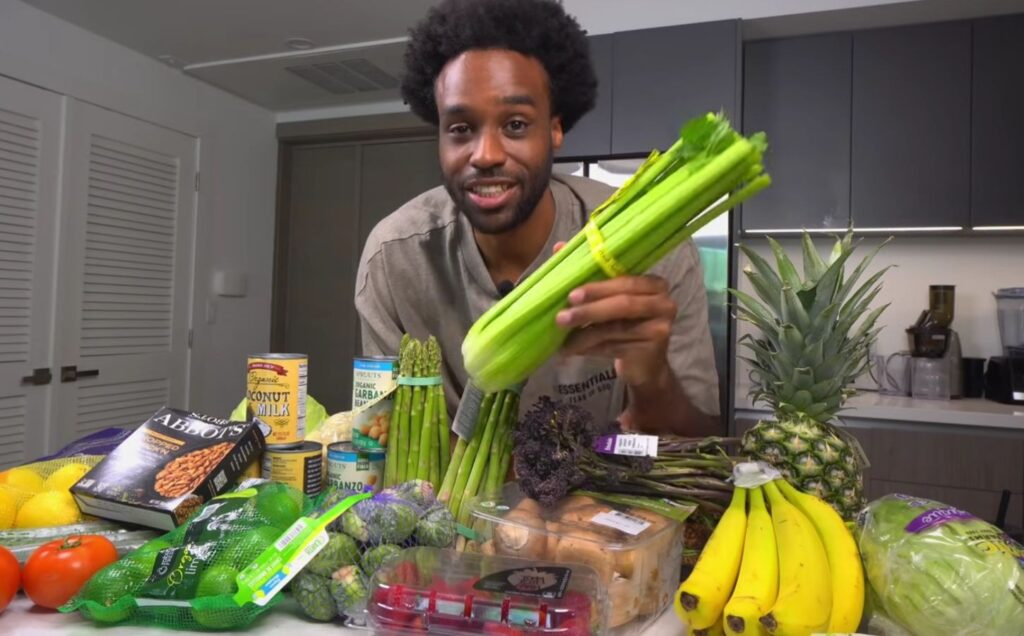
Whether you’re curious about plant-based eating for health, sustainability, or lifestyle reasons, starting fresh can feel overwhelming. This guide breaks down the essentials you’ll need for a simple, balanced plant-focused diet — with practical shopping tips and real-world examples to help you shop and cook with confidence.
What Is a Plant-Based Diet?
A plant-based diet emphasizes foods that come primarily from plants — vegetables, fruits, grains, legumes, nuts, and seeds — and minimizes or excludes animal products. It’s flexible in practice; some people adopt a whole-food plant-based style (focusing on minimally processed foods), while others use plant foods as the base of their diet but still include occasional animal products.
This approach is backed by nutritional research showing potential benefits for heart health and chronic disease risk when plants are at the center of meals, and highly processed foods are limited.
How to Shop for a Plant-Based Pantry
Produce First: Fill Your Cart With Color
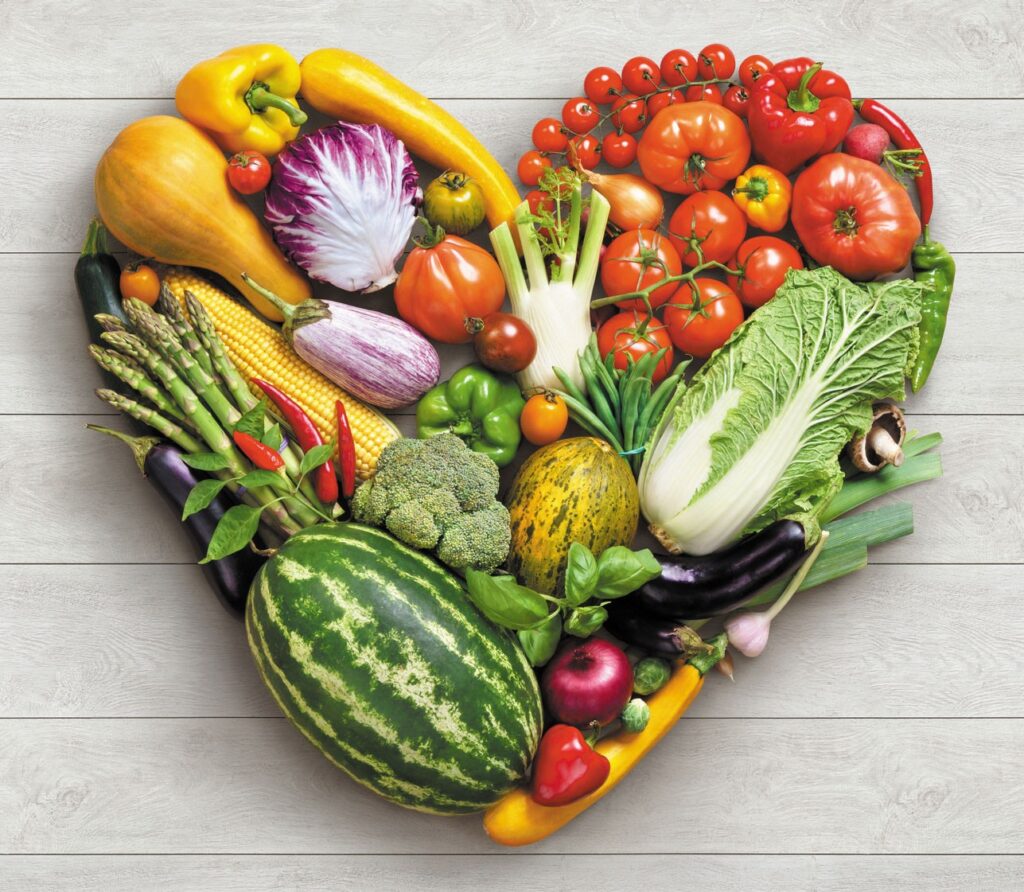
Fresh and frozen fruits and vegetables provide the vitamins, fiber, and antioxidants foundational to a plant-based diet.
Must-have produce:
- Leafy greens (spinach, kale, Swiss chard)
- Cruciferous veggies (broccoli, cauliflower)
- Colorful produce (bell peppers, carrots, beets)
- Fruits (berries, apples, bananas)
- Seasonal favorites (sweet potatoes, squash)
Aim to “eat the rainbow” — variety boosts nutrition and keeps meals exciting.
Whole Grains: Your Energy Base
Whole grains are rich in fiber and help keep you full longer. Choose intact grains over refined:
- Brown rice, quinoa, barley
- Oats and whole-grain rolled cereals
- Whole-wheat pasta or couscous
These ingredients serve as the foundation for bowls, soups, and sides.
Legumes and Plant Proteins
Legumes are plant-based protein powerhouses and versatile ingredients:
- Beans (black, kidney, pinto)
- Lentils (red, green, brown)
- Chickpeas and peas
- Tofu, tempeh, edamame
They’re affordable and great for salads, stews, tacos, and more.
Nuts, Seeds & Healthy Fats
Include healthy fats for energy and nutrient absorption:
- Almonds, walnuts, pistachios
- Flaxseed, chia seeds, hemp seeds
- Nut butters (peanut, almond)
- Avocado
Seeds and nuts also add texture and can be sprinkled on salads or oatmeal.
Pantry Staples & Flavor Boosters
Stock up on base items to make plant-based meals easy:
- Canned tomatoes and vegetable broth
- Whole-grain flours and dried grains
- Spices, herbs, and condiments (minimally processed)
- Nutritional yeast for cheesy flavor
Frozen fruits and veg are excellent for smoothies and quick meals, especially when produce prices rise.

Putting It Together: Practical Examples
Here’s how a few beginner-friendly plant-based meals might come together:
Breakfast
- Green smoothie: Spinach + frozen berries + oat milk + chia seeds
- Oat bowl: Rolled oats cooked with almond milk, cinnamon, and fresh fruit
Lunch
- Grain bowl: Brown rice + roasted vegetables + chickpeas + tahini
- Salad: Mixed greens + quinoa + walnuts + apples + balsamic
Dinner
- Lentil stew: Lentils, diced tomatoes, carrots, celery, herbs
- Stir-fry: Tofu, mixed vegetables, brown rice, soy sauce
Snacks
- Fresh fruit, trail mix, hummus with veggie sticks
Tips for Grocery Success
Plan Before You Shop
Having a rough weekly meal plan helps reduce food waste and ensures variety — take inspiration from simple plans like the one at Forks Over Knives to stay on track and on budget.
Shop Smart
- Buy seasonal produce for better flavor and price.
- Frozen vegetables and fruits are often more affordable and just as nutritious.
- Visit bulk bins for grains and legumes to save.
Rotate Favorites
Keep some staples in stock that you love — it makes cooking enjoyable and sustainable long-term.
Key Considerations for Beginners
- Nutrient Balance: A plant-based diet can be nutritionally complete, but may require attention to key nutrients like vitamin B12, which is not found naturally in plant foods. Discuss supplementation or fortified foods with a healthcare provider.
- Texture & Variety: Explore different cooking methods (roasting, sautéing, steaming) to unlock flavor.
- Flexibility: Some people blend plant-based meals with occasional animal products — the goal is more plants, not perfection.
Conclusion
Adopting a plant-based diet doesn’t have to be confusing or restrictive. By focusing on whole, minimally processed foods, building a diverse pantry, and planning meals thoughtfully, beginners can set themselves up for nourishing, satisfying eating — one grocery trip at a time.
For further expert-backed learning, explore Harvard’s overview of plant-based nutrition or EatingWell’s comprehensive grocery list to deepen your understanding.


