





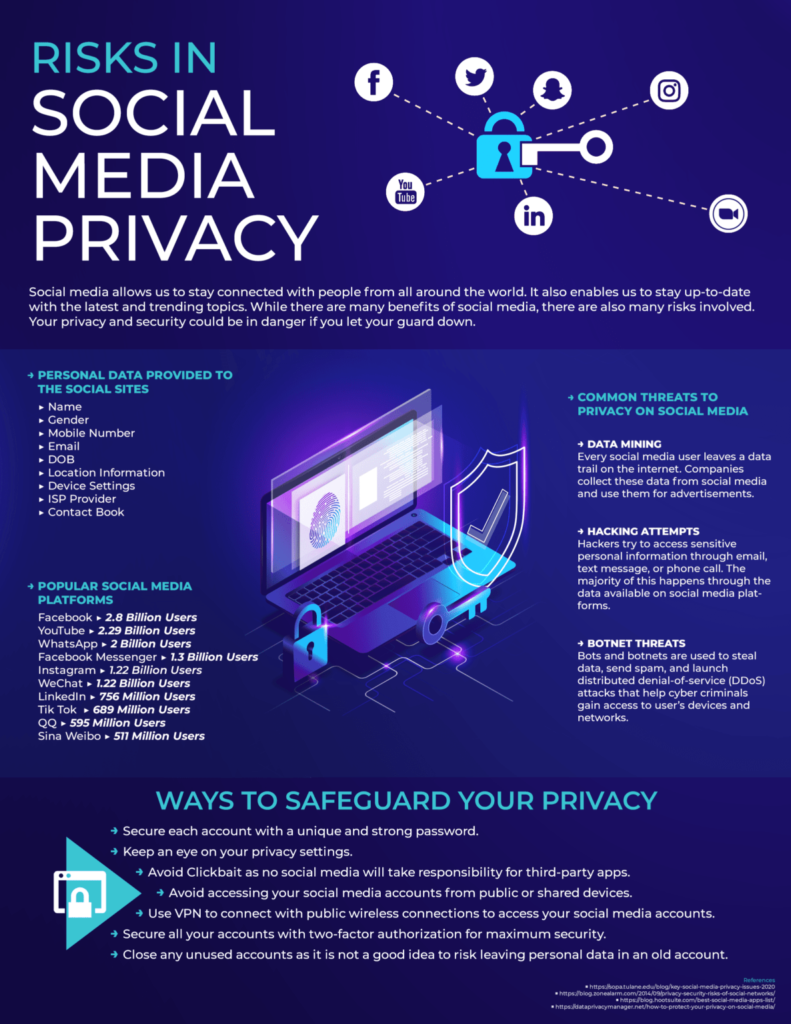
In a world where social media is woven into daily life, platforms like TikTok and Instagram shape how billions communicate, create, and consume content. But that convenience comes with trade-offs: users routinely share personal information without fully grasping what’s collected, how it’s used, and who can access it. This article cuts through the noise to explain in clear terms how these two giants handle data privacy, what risks exist, and how individuals can take control of their privacy.
What Data These Platforms Collect
Core Personal Information
Both TikTok and Instagram require basic account details such as name, email, phone number, and date of birth. This information is foundational to creating a profile and delivering personalized experiences.
Behavioral and Interaction Data
These apps collect what users do on the platform:
- Content you view, like, or share
- How long do you spend watching videos and scrolling feeds?
- Search queries and engagement patterns
This behavior is essential for tailoring each user’s experience and powering recommendation systems, especially on TikTok’s For You feed and Instagram’s Explore page.
Technical and Location Signals
Both platforms log device information (model, operating system), IP address, and approximate location. When permission is granted, more precise GPS data may also be accessed. These technical signals help improve performance, security, and ad targeting.
Sensitive Signals and Metadata
Instagram’s metadata includes photo details like time, camera type, and location, even if a user doesn’t add a geotag — raising possible privacy concerns about unexpected tracking. TikTok’s data collection also potentially encompasses content of messages and interactions, which contribute to deeper behavioral profiles.
How Data Is Used and Shared
Personalization and Algorithms
Data feeds the algorithms that make these platforms engaging. TikTok’s short-video recommendation system uses detailed signals to decide what content to serve next, while Instagram uses interaction data to shape your feed and suggested posts.
Advertising and Commercial Use
Both apps use harvested data to power ad targeting — enabling marketers to reach users based on interests, behaviors, and demographics. This is a commercial bedrock of their business models.
Third-Party Partners
Platforms may share data with service providers such as analytics firms, ad networks, and cloud infrastructure companies. User data can also be accessed or processed under legal obligations when required by law enforcement.

Key Concerns and Misconceptions
TikTok’s Geopolitical Privacy Debate
Because TikTok is owned by the Chinese company ByteDance, regulators have questioned whether data stored or accessed in China could be exposed to government authorities under local law. While TikTok has denied sharing data with the Chinese state, regulatory bodies have taken action. For example, the Irish Data Protection Commission fined TikTok €530 million for failing to adequately demonstrate safeguards against access to European user data by Chinese entities.
It’s important to note that such actions reflect legal compliance shortfalls, not confirmed evidence of government spying on individuals.
Instagram’s Transparency Challenges
Meta (Instagram’s parent) has faced scrutiny over compliance with EU transparency obligations — including complexity in how users access or control their information. Both companies were preliminarily found in breach of standards aimed at giving researchers and users clear insight into public data use.
Default Settings and Privacy Options
According to privacy ratings, both TikTok and Instagram often lag behind other platforms when it comes to privacy-oriented settings enabled by default. Users must actively adjust controls to limit exposure.
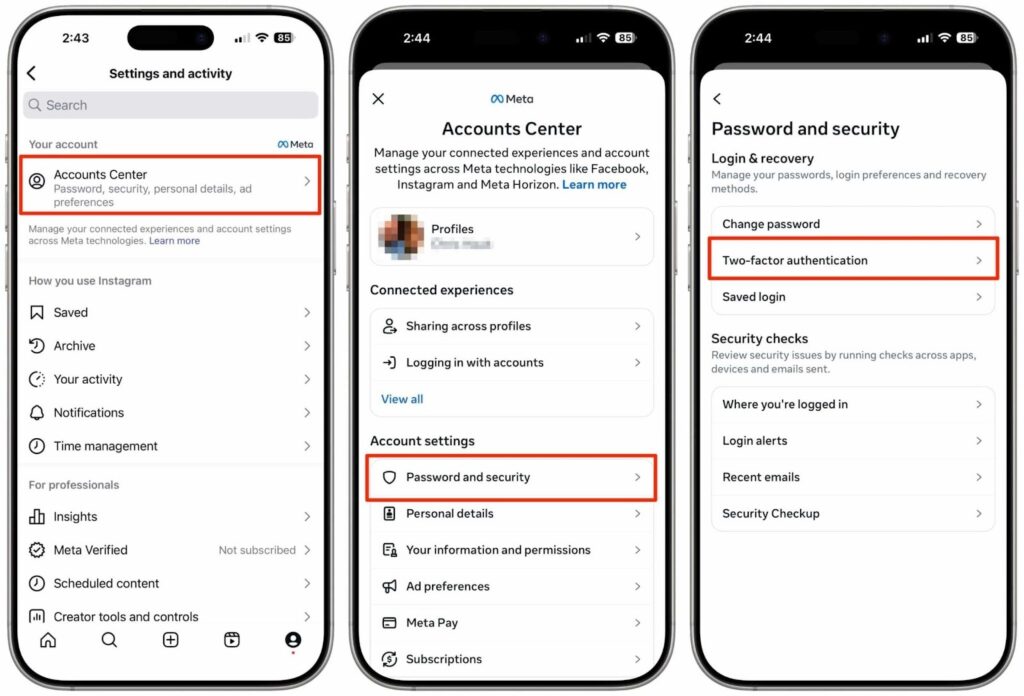
Practical Steps to Protect Your Privacy
Review and Adjust Privacy Settings
- Set your account to private to restrict who can see content
- Limit location access and revoke unnecessary permissions from your device
Instagram’s built-in privacy settings let you control who sees your stories, likes, and comments. TikTok similarly offers options to restrict who can view your content and interact with you.
Download and Review Your Data
Both platforms allow users to download a copy of their data, offering transparency into what’s stored — including messages, comments, and usage history.
Minimize Third-Party Access
Disconnect linked accounts, remove unused apps, and avoid granting access to third-party services unless essential.
Balancing Value and Privacy
The reality is that data collection is inherent to modern social media. TikTok and Instagram collect extensive data to operate, personalize, and monetize their platforms — often in ways similar to other major social networks. However, concerns about transparency, algorithmic profiling, and corporate governance mean users should approach these services with awareness and agency.
For a deeper understanding of broad social media privacy issues and regulatory context, the Electronic Privacy Information Center offers foundational insights into consumer privacy challenges across platforms.
Conclusion
Data privacy on TikTok and Instagram isn’t a simple matter of good or bad. It reflects a complex interplay between platform design, commercial incentives, user behavior, and law. While neither platform is uniquely intrusive compared to other social networks, both require users to be proactive in understanding and managing their privacy. By adjusting settings, reviewing permissions, and staying informed about policy changes, individuals can better protect their digital footprint without sacrificing the benefits of social connection and creativity.


1 Comment
Pingback: Stop Background Location Tracking on Your Phone