





Vlogging has become one of the most popular forms of content creation online. It allows individuals to express themselves, share knowledge, and build communities around shared interests. But what if you’re shy? Does that mean YouTube isn’t for you? Absolutely not. Many creators who once felt camera-shy now run successful channels with loyal audiences. This article breaks down how reserved or introverted individuals can start vlogging with confidence, clarity, and strategy.
Understanding the Shyness Barrier
Shyness isn’t a handicap — it’s a personality trait that many successful creators share. What holds shy people back most often isn’t a lack of talent, but fear of judgment and self-criticism. Recognizing this is a vital first step.
What Makes Vlogging Challenging for Shy People
- Being on camera feels unnatural
- Fear of negative feedback
- Pressure to perform
- Overthinking the content quality
These concerns are real, but they can be managed with the right mindset and tools.
Finding Your Why: The Core Purpose of Your Channel
Before pressing record, ask yourself: Why do I want to vlog?
Your motivation will shape everything that comes next. Common “whys” include:
- Sharing expertise (e.g., cooking, tech, fitness)
- Documenting personal growth
- Building a community around a hobby
- Educating or inspiring others
Your purpose provides direction and helps overcome self-doubt.
Getting Comfortable With the Camera
Many shy creators begin by treating the camera as a friend, not a judge.
Practice Without Publishing
You don’t need to publish your first recordings. Record practice videos just for yourself:
- Speak as you would to a close friend
- Watch back without judgment
- Notice moments you like and areas to improve
This helps desensitize nervousness and improve presence over time — just like public speaking.
Start Small: Voice-Over and B-Roll
If direct talking feels too intimidating at first, begin with formats that don’t require much face time:
- Voice-over narration over footage
- Slideshows or screen recordings
- B-roll (supportive visuals) while you speak softly in the background
These formats allow shy creators to express themselves without staring into the camera.
Planning Your First Video
Structure makes any task feel less overwhelming. Before you hit record:
Script or Bullet Points
Having a script, or at least bullet points, keeps you focused:
- Introduction (hook + topic)
- Main points (clear and concise)
- Conclusion (summary + call to action)
This approach improves delivery and reduces anxiety while recording.
Short and Focused Is Fine
Your first video doesn’t need to be long. Shorter videos:
- Are easier to record
- Reduce pressure
- Tend to retain viewers better
A 2–4 minute video is a perfect starting point.
Practical Tools for Shy Beginners
You don’t need top-tier gear to start. Focus on tools that build confidence and simplicity.
Essential Equipment
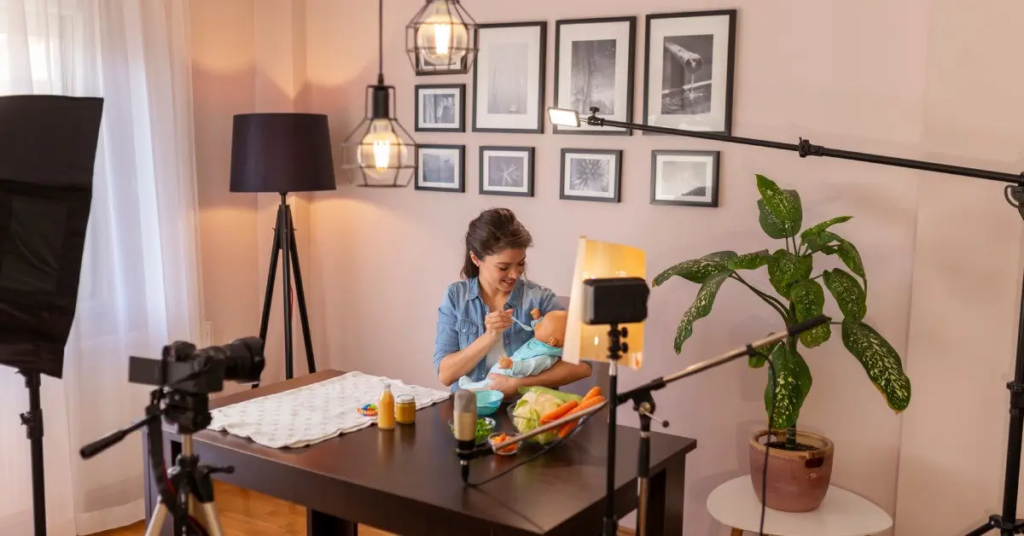
- Camera or smartphone – Modern phones shoot excellent video
- External microphone – Boosts audio clarity (critical for engagement)
- Tripod or stand – Stabilizes your shots
- Natural lighting – Soft light from a window works great
This simple setup keeps production easy — no need for complex gear.
Editing Software Options
Editing gives you control to fix mistakes and shape your message. Good beginner options include:
- DaVinci Resolve (free, professional level)
- iMovie (user-friendly)
- Adobe Premiere Rush (cross-platform)
Learning basic editing empowers you to refine your message before publishing.
Overcoming Fear of Judgment
Fear of judgment can paralyze even experienced creators. Here’s how to work through it:
Set Realistic Expectations
Remember: almost every creator starts with imperfect videos. Growth comes with experience.
Control Your Community
Use moderation tools in YouTube Studio to:
- Block unwanted comments
- Highlight supportive feedback
- Build a positive environment early

Learning From Other Creators
Watching others who were once shy can be deeply motivating. For example, many successful YouTubers openly share their early anxieties and how they overcame them.
Learn best practices on YouTube’s own Creator Academy: YouTube Creator Academy — a reliable resource with step-by-step guidance on planning, filming, and growing your channel.
Another strong resource for building confidence on camera is the MindTools guide to Public Speaking, which breaks anxiety into manageable skills: MindTools Public Speaking Tips.
Publishing and Growing Your Channel
Once you publish your first video:
Track What Works
YouTube Analytics shows you:
- Audience retention
- Click-through rate
- Viewer engagement
Use data to refine your next videos and reduce guesswork.
Consistency Over Perfection
You don’t have to be perfect — you just need to be consistent. Regular uploads help:
- Improve comfort on camera
- Build audience trust
- Boost YouTube’s recommendation algorithm
Aim for a realistic schedule — once a week is a strong starting point.
Real-World Application: Case Example
Take Jane, a shy home baker with no filming experience. She began by recording short clips of her baking process, using voice-overs instead of talking on camera. Over time, as she gained confidence, she began to share quick tips directly to the camera. Her authentic, unpolished style resonated with viewers, and her community grew steadily — all without pretending to be someone she wasn’t.
Conclusion
Starting a YouTube vlog as a shy person is entirely achievable with the right mindset and tools. Focus on:
- Clarifying your purpose
- Practicing without pressure
- Using simple formats and tools
- Iterating based on feedback and analytics
Authenticity often matters more than polish. Many successful creators built their audience by being real, and shy people have a unique ability to connect deeply through sincerity. Embrace your pace, build confidence gradually, and let your voice find its audience.


1 Comment
Web-based games offer participants the excellent means to link and explore with peers around the world.
https://thaispaoase.de/2026/08/10/best-online-super-bet-review-casino-bonuses-amp-promotions/