







In a world increasingly driven by instant gratification and nonstop digital stimulation, many people feel their attention drifting, productivity declining, and motivation evaporating. The concept of a dopamine detox has emerged as a trending strategy to “reset” the brain’s reward system and reclaim focus. But what does it really mean, how does it work, and what does science actually say about it? This article breaks down the idea into clear, evidence-informed insights you can use.
Understanding Dopamine and the Brain’s Reward System
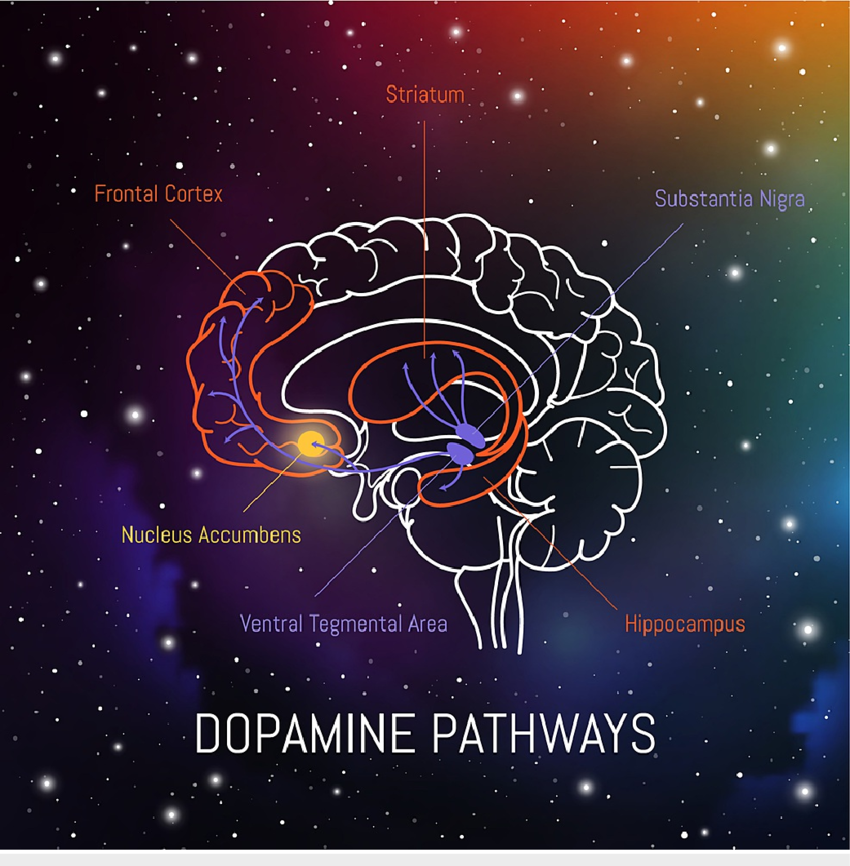
Dopamine is a neurotransmitter—a chemical messenger that helps transmit signals in the brain. It plays a central role in motivation, reward learning, movement, and mood regulation. When we experience something enjoyable, like eating good food or achieving a goal, dopamine pathways light up, reinforcing the behavior.
However, the idea of “detoxing” from dopamine can be misleading. Dopamine is essential to normal brain function and cannot be eliminated from the system. What proponents truly refer to is limiting overstimulation from artificial or highly processed rewards (social media, gaming, online browsing) that can lead to compulsive use.
What Is a Dopamine Detox?
The Core Concept
A dopamine detox involves temporarily stopping or reducing activities that provide intense or immediate rewards in hopes of reducing impulsive behavior and restoring focus. Practices vary widely, from short breaks (a few hours) to multiday periods where one avoids stimulants like digital screens, junk food, or addictive habits.
Originally popularized by Dr. Cameron Sepah, the practice isn’t truly about social media or games hindering brain chemistry directly, but about modifying behavior patterns through conscious interruption of stimuli that drive compulsive engagement.

How It Works: Biological vs. Behavioral
Dopamine Isn’t “Detoxed”
Despite popular language, you cannot literally “detox” from dopamine the way you would a toxin. Dopamine is a naturally occurring neurotransmitter required for basic functioning such as movement, memory, and motivation.
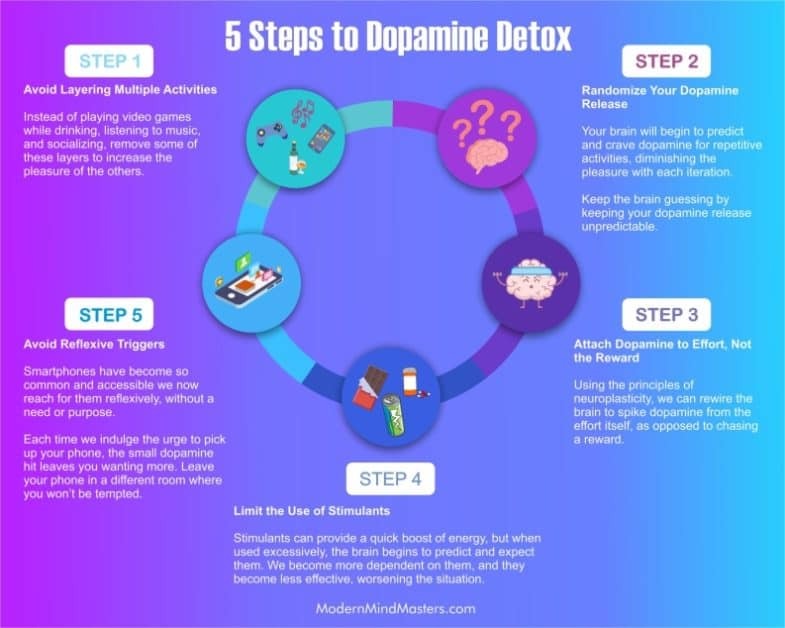
What a dopamine detox actually targets are behavioral responses to stimuli that trigger swift dopamine release (e.g., phone notifications, social media, gaming). By reducing exposure, you give yourself space to cultivate healthier habits and decrease reliance on quick rewards.
Practical Benefits and Limitations
Potential Benefits
When approached thoughtfully, taking structured breaks from highly stimulating activities can:
- Improve focus and productivity by reducing frequent task-switching and distraction.
- Increase awareness of habits, making it easier to replace impulsive behaviors with meaningful activities.
- Enhance self-control through intentional reframing of reward-driven behaviors.
Realistic practice focuses not on abstaining from pleasure entirely, but on recalibrating where and how we derive satisfaction, with an emphasis on goals that promote long-term fulfillment rather than short-lived stimulation.
Important Considerations
- Scientific support remains limited. Current research does not confirm that dopamine detoxes reset baseline dopamine levels in the brain.
- Not all stimulation is harmful. Dopamine responses to normal, enjoyable experiences are part of healthy brain function.
- Extreme versions can be counterproductive. Complete abstinence from all pleasurable activities or rigid fasting can increase stress or feelings of isolation.

Practical Steps to Try a Dopamine Detox
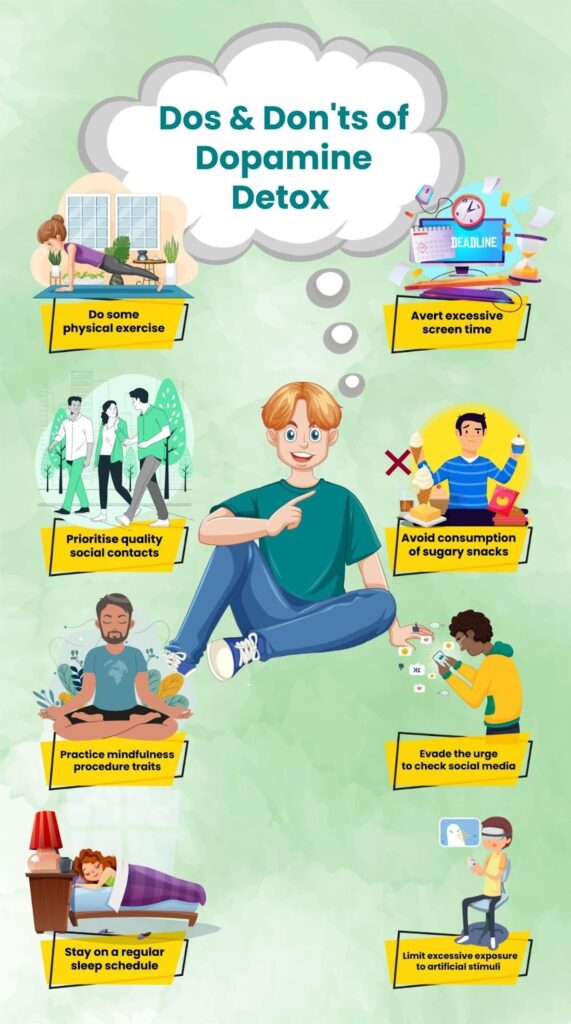
If you decide to experiment with this concept, here’s a simple framework to guide your approach:
1. Identify Your Triggers
Start by listing activities that most pull your attention away from priorities—social media, news feeds, binge-watching, etc.
2. Set Clear, Achievable Limits
Choose a reasonable time frame (e.g., a weekend day) and define what you will avoid.
3. Replace, Don’t Just Remove
Plan activities that engage your attention in a healthier way: reading, outdoor time, exercise, journaling, or creative hobbies.
4. Reflect and Adjust
After each detox period, assess what changed in your focus, mood, or productivity. Use insights to adjust your daily habits for sustainable improvement.
Conclusion: Reclaim Focus Through Intentional Living
The dopamine detox trend taps into a broader desire to manage distraction and improve attention. While the term “detox” oversimplifies the neuroscience behind dopamine, the underlying practice—reducing overreliance on hyperstimulating behaviors and fostering mindful engagement—can support better focus and well-being when done realistically.
Approached sensibly, this strategy encourages intentional breaks from compulsive behaviors and helps cultivate habits aligned with your goals. Just remember that dopamine itself isn’t the enemy; it is a fundamental part of how our brains motivate and reward us. Balancing stimulation with thoughtfulness is where meaningful change happens.


