







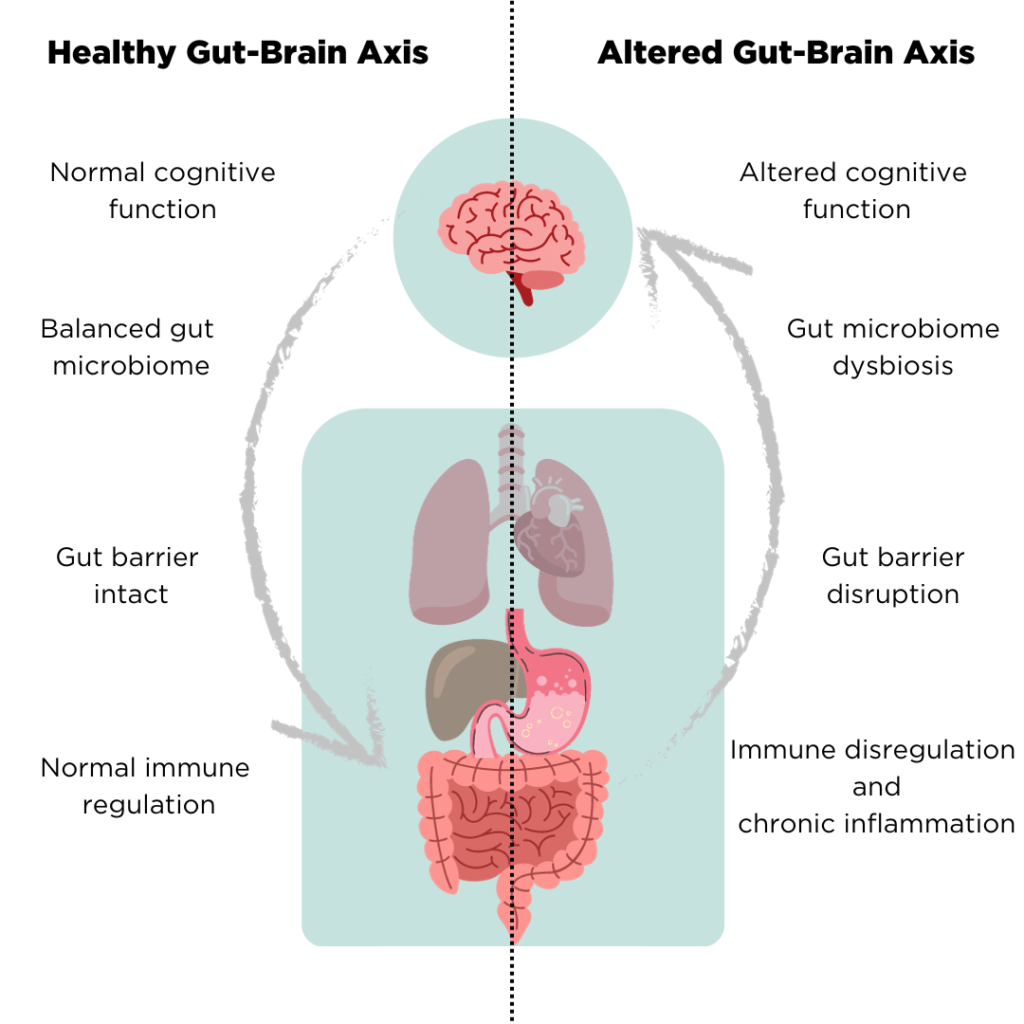
There’s growing recognition in science and clinical practice that gut health isn’t just about digestion — it’s deeply tied to emotional wellbeing and brain function. Emerging research on the gut-brain axis shows that the trillions of microorganisms in your digestive tract communicate with your brain in ways that influence mood, stress responses, cognition, and even behavior. Understanding this connection — and how to support it — offers powerful insights for anyone interested in holistic mental health.
Understanding the Gut-Brain Axis
What Is the Gut-Brain Axis?
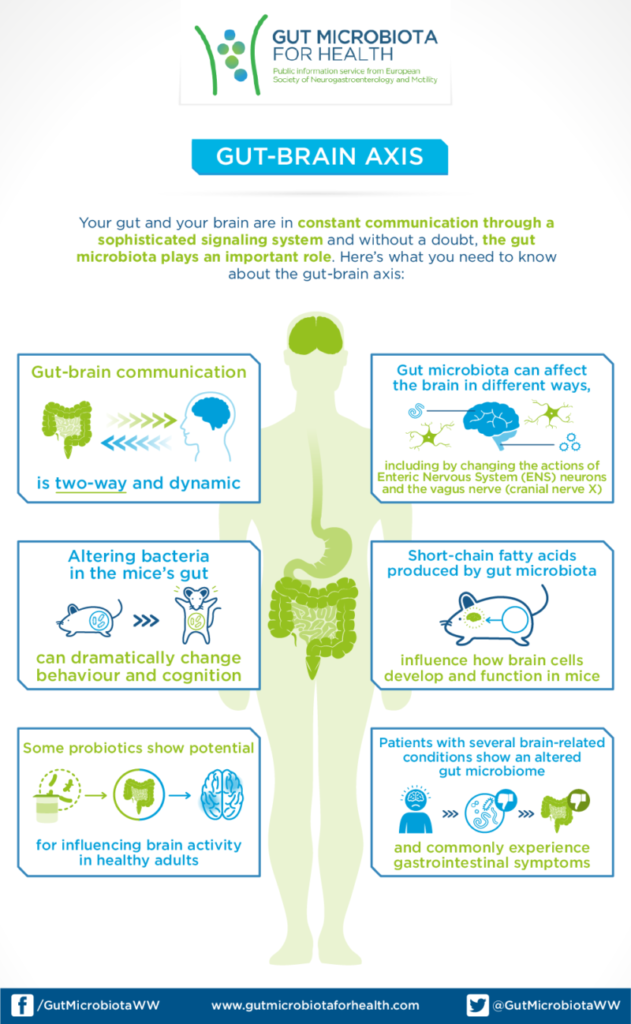
The gut-brain axis describes a complex, bidirectional communication system linking the gastrointestinal (GI) tract and the central nervous system (CNS). This network includes:
- Neural pathways, especially the vagus nerve
- Chemical messengers like hormones and neurotransmitters
- Immune and metabolic signals influenced by gut microbes
Together, these systems allow the gut and brain to continuously share information.
More Than Digestion
Your gut houses an ecosystem of trillions of microorganisms — collectively called the gut microbiome. These microbes perform many essential roles: breaking down food, producing vitamins, modulating immunity, and making biologically active molecules that can affect brain chemistry and behavior.

How Gut Health Influences Mental Well-Being
Neurotransmitters and Mood
Many gut bacteria produce or influence compounds that act like neurotransmitters — chemical messengers that shape mood and emotion. For example:
- Certain microbes contribute to serotonin production, a key regulator of mood and stress responses
- Others influence GABA and dopamine, which play roles in anxiety and motivation
These signals can impact the brain through circulation or neural pathways like the vagus nerve.
Immune-Brain Communication
The gut microbiome plays a central role in shaping the immune system. Balanced microbial communities help regulate inflammatory responses. Disruptions — sometimes called dysbiosis — can trigger chronic low-grade inflammation, which scientists increasingly associate with anxiety, depression, and cognitive symptoms.
Real-World Example: Stress and the Gut
Have you ever felt “butterflies” in your stomach during stress? That’s a tangible example of gut-to-brain signaling in action. Psychological stress affects gut motility and microbiome balance, which in turn can influence your mood and stress hormone regulation.
Supporting Your Gut for Better Mental Health
1. Prioritize a Diverse, Whole-Food Diet
Foods rich in fiber, polyphenols, and plant compounds — such as vegetables, fruits, whole grains, and legumes — feed beneficial gut bacteria. Emerging evidence links such diets to greater microbial diversity and lower inflammation.
2. Include Fermented, Probiotic-Rich Foods
Yogurt, kefir, kimchi, sauerkraut and other fermented foods can introduce beneficial bacterial strains and support microbial balance — one of the many strategies that may help mental and digestive wellbeing.
3. Manage Stress and Lifestyle Factors
Chronic stress, poor sleep, and sedentary habits negatively affect the microbiome and gut-brain communication. Mind-body practices like mindfulness, regular movement, and sleep hygiene support both gut health and emotional resilience.
Clinical Perspective: What the Research Says
Leading medical institutions emphasize the biological reality of the gut-brain connection and its health implications. For instance, the Cleveland Clinic notes that gut microbes may be involved in neurological and mental health conditions, especially when digestive and emotional symptoms overlap.
Similarly, Johns Hopkins Medicine explains that what we call the “second brain” in the gut significantly influences mood, stress responses, and even cognitive processing.
These observations align with broader scientific literature recognizing that the gut’s microbial ecosystem interacts with neural, immune, and hormonal pathways — affecting how we feel and perform daily.
Conclusion
Gut health and mental health are not separate domains — they’re interconnected parts of an integrated system. The gut-brain axis serves as a biological bridge, and the microbes that live in your digestive tract are active contributors to emotional balance and cognitive function. While gut-centric strategies are not a standalone treatment for psychiatric conditions, supporting gut health through diet, lifestyle, and stress management can be a meaningful part of holistic mental wellness. Ongoing research continues to refine our understanding, highlighting an exciting frontier where nutrition, neuroscience, and mental health converge.


