

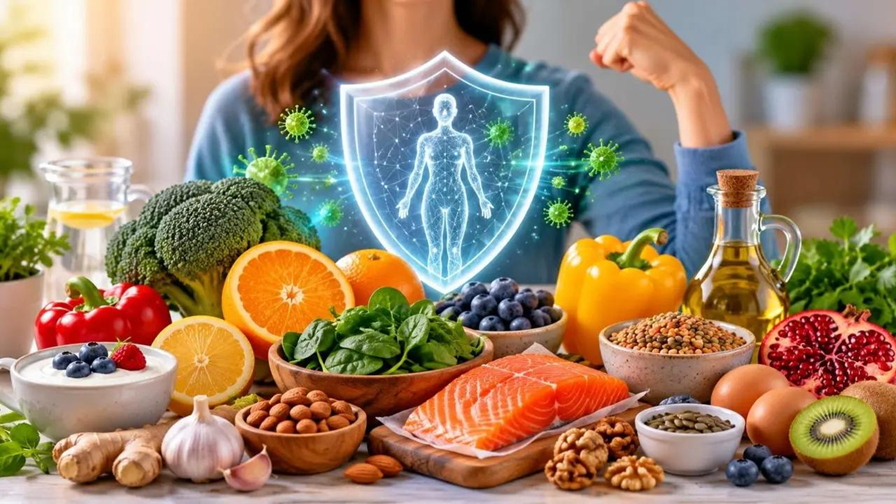
A healthy immune system is one of the body’s most important defense mechanisms. It protects against harmful bacteria, viruses, and other pathogens while helping the body recover from illness. However, there is no single food, drink, supplement, or “immune-boosting” trick that can instantly make immunity stronger. Instead, immune health is supported by consistent habits involving nutrition, sleep, physical activity, vaccination, hygiene, and overall lifestyle.
The Centers for Disease Control and Prevention (CDC) recommends healthy eating, physical activity, adequate sleep, maintaining a healthy weight, avoiding smoking, and limiting excessive alcohol as important ways to support immunity.
What Does “Boosting Immunity” Really Mean?
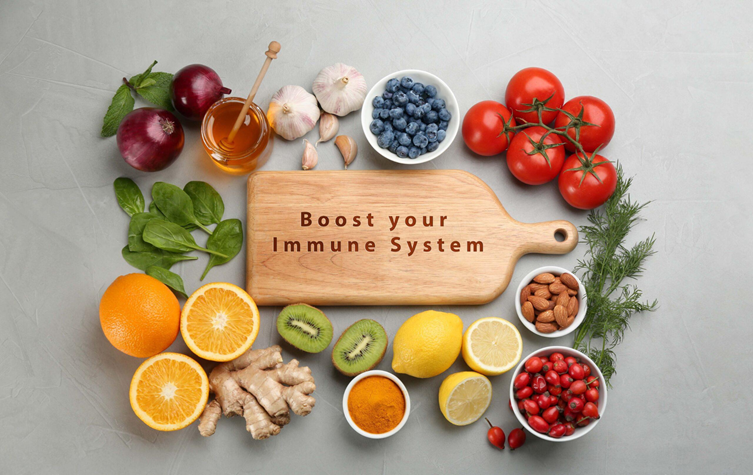
The phrase boost your immune system can be misleading. Immunity is a complex network involving cells, tissues, organs, and proteins. The goal is not to make the immune system excessively active, but to provide the body with the conditions and nutrients it needs to function normally.
Research from the National Institutes of Health (NIH) shows that deficiencies in nutrients such as vitamins A, C, D, and E, selenium, and zinc can impair immune function. However, taking more than the body needs does not necessarily provide additional protection against infections.
1. Eat a Nutrient-Dense, Balanced Diet
Nutrition is one of the foundations of healthy immune function. Rather than concentrating on one “superfood,” aim for variety.
The World Health Organization recommends a diverse diet built around vegetables, fruits, whole grains, pulses, nuts, seeds, and appropriate sources of protein.
Foods to Include Regularly
Consider adding:
- Citrus fruits: Oranges, grapefruit, lemons and other citrus fruits provide vitamin C.
- Colorful vegetables: Carrots, bell peppers, tomatoes, broccoli and leafy greens provide a variety of vitamins, minerals and plant compounds.
- Whole grains: Oats, brown rice, whole-wheat products and other whole grains provide fiber and nutrients.
- Pulses: Lentils, chickpeas, peas and beans provide protein, fiber and minerals.
- Nuts and seeds: Almonds, walnuts, sunflower seeds and pumpkin seeds can contribute vitamin E, healthy fats and minerals.
- Protein-rich foods: Eggs, fish, dairy products, poultry, soy and legumes help provide amino acids needed for normal body functions.
Practical example: Instead of relying on an expensive “immunity drink,” a simple meal of vegetable dal, brown rice, yogurt, and a serving of fruit can provide a much broader range of nutrients.
2. Prioritize Adequate Sleep
Sleep is not simply a period of rest. It is an important part of maintaining overall health and normal immune function.
For most adults, regularly getting around 7–9 hours of sleep per night is a practical target. Establishing a consistent bedtime, keeping the bedroom comfortable, and reducing stimulating activities before bed can make quality sleep easier.
Simple Ways to Improve Sleep
- Go to bed and wake up at roughly the same time.
- Keep your bedroom dark, quiet, and comfortable.
- Limit excessive screen use immediately before bedtime.
- Avoid relying heavily on caffeine late in the day.
- Give yourself enough time for uninterrupted sleep.
If poor sleep persists despite healthy habits, discussing the problem with a healthcare professional may be appropriate.
3. Stay Physically Active
Regular physical activity supports cardiovascular health, metabolic health, sleep, and stress management—and these factors are closely connected with overall immune health.
You do not need an extreme exercise program. Walking, cycling, swimming, strength training, yoga, or recreational sports can all contribute to an active lifestyle.
Practical example: If you spend most of the day sitting, begin with a 20–30 minute brisk walk several days per week and gradually increase your activity according to your fitness level.
The key is consistency rather than occasional intense workouts.
4. Keep Vaccinations Up to Date
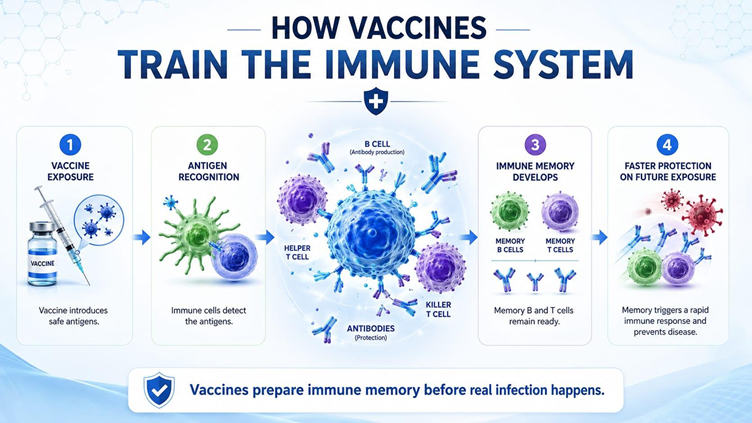
Vaccination is one of the most targeted ways to develop protection against specific infectious diseases. Vaccines train the adaptive immune system to recognize particular pathogens and prepare for future exposure.
Unlike general lifestyle habits, vaccines are designed to provide disease-specific protection.
Follow vaccination recommendations appropriate for your age, health circumstances, and location. If you are unsure which vaccines you need, ask a qualified healthcare professional.
5. Manage Stress in Healthy Ways
Chronic stress can affect sleep, eating habits, physical activity and general well-being. Managing stress is therefore an important part of maintaining a healthy lifestyle.
Useful strategies include:
- Deep breathing exercises
- Meditation or mindfulness
- Walking outdoors
- Exercise
- Spending time with supportive friends or family
- Listening to music
- Maintaining healthy boundaries around work
- Taking regular breaks during demanding tasks
You do not have to eliminate stress. The practical goal is to develop healthier ways of responding to and recovering from stressful situations.
6. Stay Hydrated
Water supports numerous normal bodily functions. Dehydration can contribute to fatigue, headaches, and reduced physical performance.
Rather than following a rigid “immunity hydration” formula, drink regularly throughout the day and pay attention to thirst, activity level, weather, and individual needs.
Water is generally the simplest choice. Unsweetened beverages can also contribute to fluid intake.
7. Avoid Smoking and Limit Excessive Alcohol
Smoking exposes the body to substances that can damage tissues and negatively affect respiratory health. Avoiding tobacco and other forms of smoking is therefore an important component of overall health.
The CDC also recommends avoiding excessive alcohol consumption as part of a healthy approach to supporting immunity.
If you smoke, quitting can provide substantial health benefits. Professional support, counseling, and evidence-based cessation treatments can improve the chances of success.
8. Practice Good Hygiene
Healthy immune function does not replace basic infection-prevention practices.
Simple habits can reduce exposure to infectious organisms:
- Wash your hands regularly with soap and water.
- Avoid touching your eyes, nose, and mouth unnecessarily.
- Cover coughs and sneezes appropriately.
- Keep frequently touched surfaces clean when necessary.
- Handle and cook food safely.
- Stay home when you are sick, when appropriate.
These measures complement—not replace—vaccination and other healthy lifestyle practices.
9. Be Careful With “Immune-Boosting” Supplements
The supplement market contains many products advertised as powerful immunity enhancers. Evidence, however, is much more nuanced.
The NIH notes that nutrients including vitamin C, vitamin D, and zinc are important for immune function, but supplementation is generally most useful when someone has an inadequate intake or deficiency. For people who already obtain sufficient nutrients, taking large additional amounts does not necessarily prevent infections or improve recovery.
More Is Not Always Better
Excessive supplementation can cause problems. For example, high zinc intake over extended periods can contribute to copper deficiency and potentially impair immune function.
Before taking high-dose vitamins, minerals, or herbal products, particularly if you take medications or have an underlying health condition, speak with a healthcare professional.
10. Maintain Healthy Everyday Habits
Immune health should be viewed as part of overall health rather than as a separate project.
A sustainable routine might look like this:
Morning: Eat a nutritious breakfast, drink water and get some movement.
Daytime: Choose balanced meals, include vegetables or fruit, stay physically active and take short breaks from prolonged sitting.
Evening: Eat a balanced dinner, reduce unnecessary screen stimulation, and prepare for consistent sleep.
Weekly: Include regular physical activity, grocery shop for nutrient-rich foods, and make time for relaxation and social connection.
This approach is more realistic—and generally more sustainable—than trying to change your immune system with a single product dramatically.
Common Immunity Myths to Avoid
Myth 1: One food can dramatically strengthen immunity
No single food can replace a balanced diet. Immune function depends on numerous nutrients and physiological processes.
Myth 2: High-dose vitamins are always better
More is not automatically better. Supplements should address genuine nutritional needs rather than be treated as a substitute for healthy habits.
Myth 3: You can replace vaccination with healthy eating
Nutrition supports normal immune function, while vaccines provide targeted protection against specific diseases. They serve different purposes.
Myth 4: “Natural” automatically means safe
Herbal and dietary supplements can have side effects and may interact with medications. Natural products should therefore be evaluated with the same care as other health products.
When Should You Talk to a Healthcare Professional?
Consider professional medical advice if you experience unusually frequent, severe, or persistent infections, unexplained weight changes, prolonged fatigue, or other concerning symptoms.
People with chronic medical conditions, nutritional deficiencies, immune-related disorders, pregnancy, or those taking medications should seek individualized advice before making major dietary or supplement changes.
Conclusion
The most reliable immunity-boosting tips are not quick fixes. They are consistent, evidence-based habits: eat a varied and nutritious diet, sleep adequately, stay physically active, manage stress, maintain good hygiene, avoid smoking, limit excessive alcohol, and keep recommended vaccinations up to date.
Think of immune health as a long-term investment. A colorful plate, regular walks, good night’s sleep, and appropriate preventive healthcare may seem simple individually, but together they create a lifestyle that supports the body’s natural defenses.
