


In today’s fast-paced world, maintaining good health is more than just eating well and exercising. Regular health checkups play a foundational role in preserving long-term well-being. They serve as proactive health management tools that help identify potential issues early, guide lifestyle decisions, and support disease prevention. This article explores why routine medical checkups matter, what they typically include, practical examples of their benefits, and how they shape better health outcomes for people of all ages.
Why Regular Health Checkups Matter
Regular health assessments are not just for people who feel unwell — they are crucial for everyone. Much like servicing a car before it breaks down, medical checkups detect underlying issues before they become serious. Early detection often means easier treatment, fewer complications, and better quality of life.
Early Detection of Health Conditions
Many health conditions develop silently. For example, high blood pressure and elevated cholesterol often show no symptoms until complications occur. Routine checkups allow healthcare professionals to catch these conditions early when they are most treatable.
Example:
A 45-year-old man with no symptoms may discover through a routine checkup that he has high cholesterol. With early intervention — including diet adjustment and medication — he significantly reduces his risk of cardiovascular disease.
For more on the impact of early detection, see the recommendations from the Centers for Disease Control and Prevention (CDC) on the benefits of routine screenings. (CDC – Health Screenings and Checkups)
Prevention Beats Treatment
Healthcare isn’t just about treating disease — it’s about keeping you healthy. Regular checkups include preventive services like immunizations, counseling, and simple laboratory tests that help stop diseases before they start.
For example, age-appropriate cancer screenings such as mammograms or colonoscopies can significantly reduce mortality by identifying cancer early, when treatment is most effective.
The World Health Organization (WHO) outlines the global value of preventive care in improving health outcomes and reducing healthcare costs. (WHO – Preventive Healthcare Guide)
What Happens During a Health Checkup?
Checkups can vary depending on age, health history, and risk factors, but most involve a systematic evaluation of your overall health.
Basic Components
1. Medical History Review
Your clinician asks about your personal and family health history, lifestyle habits (such as diet, exercise, smoking), and any current symptoms. This helps guide what tests are needed.
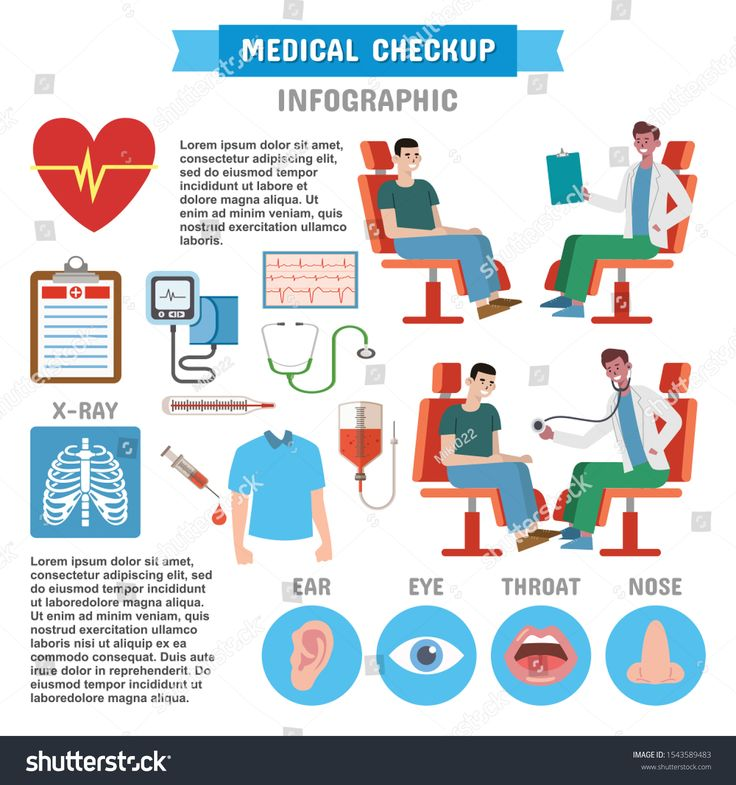
2. Physical Examination
A physical exam usually includes measuring vital signs such as blood pressure, heart rate, temperature, and respiratory rate. Doctors also assess weight, height, and body mass index (BMI).
3. Laboratory Tests
Common lab tests include:
- Blood glucose (diabetes screening)
- Cholesterol panel
- Complete blood count (CBC)
- Kidney and liver function tests
These tests reveal early signs of metabolic or organ dysfunction.
4. Age-Specific Screenings
Depending on age and sex, additional screenings may include:
- Pap smears for cervical cancer
- Mammograms for breast cancer
- Prostate exams
- Bone density scans for osteoporosis
Real-World Benefits of Regular Health Checkups
Regular checkups have practical, measurable benefits that extend beyond early disease detection.
Better Chronic Disease Management
Chronic conditions like diabetes, hypertension, and heart disease require ongoing monitoring. Regular checkups help clinicians track disease progress, adjust medication, and guide patients toward healthier choices.
Example:
A woman with type-2 diabetes receives quarterly checkups. Her doctor adjusts her treatment plan based on lab results, helping her maintain stable blood sugar and prevent complications like vision loss or kidney disease.
Reduced Healthcare Costs
Although it may seem counterintuitive, preventive care can be more cost-effective than waiting until an illness becomes advanced. Treating late-stage conditions often involves expensive procedures, hospitalizations, and longer recovery times.
Example:
Detecting early-stage hypertension allows for lifestyle modification and affordable medication, whereas untreated high blood pressure can lead to costly complications such as stroke or heart attack.
Improved Mental Health Awareness
Physical and mental health are deeply connected. During routine visits, clinicians can assess emotional wellbeing and identify concerns such as depression or anxiety — often overlooked until they worsen.
Practical Insight:
During a checkup, simple screening questionnaires can uncover symptoms of depression. With early detection, the patient receives timely support, referrals, and treatment.
When and How Often Should You Get Checked?
Adults
- Young adults (20–39 years): Every 2–3 years if healthy, more frequently if risk factors are present
- Middle age (40–64 years): Annually recommended
- Older adults (65+): At least once a year, often more, depending on health status
Children and Adolescents
Health checks are more frequent during childhood to monitor development, vaccination schedules, and early health behaviors.
Personalized Schedule
Talk with your clinician about a schedule tailored to your:
- Family history
- Existing health conditions
- Lifestyle factors (e.g., smoking, physical activity)
- Occupational exposures
Common Misconceptions About Health Checkups
“I Feel Fine, So I Don’t Need a Checkup”
Feeling healthy doesn’t always mean your body is free of issues. Many conditions are asymptomatic until they are advanced. A checkup is a chance to confirm good health, not just diagnose illness.
“Medical Checkups Are Only for Older People”
While age increases risk for many diseases, younger adults can also benefit from early screening — especially if lifestyle or family history poses risk.
“They’re Too Expensive”
Many preventive services are covered by health insurance and public health programs. Even if paid out-of-pocket, the long-term savings from early disease detection and prevention often outweigh the initial cost.
Practical Tips to Get the Most out of Your Checkup
- Prepare a list of questions: Ask about symptoms, family history, or lifestyle advice.
- Bring a record of medications: Including supplements and over-the-counter drugs.
- Follow up on referrals and tests: Don’t postpone recommended screenings or specialist visits.
Conclusion
Regular health checkups are a cornerstone of proactive health management. They empower individuals with early detection, prevention, and personalized health guidance — translating to better health outcomes, improved quality of life, and reduced long-term healthcare costs. By embracing routine examinations and working collaboratively with healthcare professionals, people of all ages can take meaningful steps toward sustained wellbeing.
