







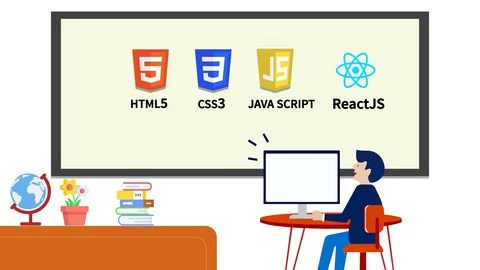
Web development powers the digital world, yet the terms frontend and backend are often misunderstood by beginners and even some experienced professionals. This article breaks down the differences, responsibilities, technologies, and real-world relevance of each side of web development. By the end, you’ll understand not only what these roles do but how they work together to build modern web applications.
What Is Web Development?
At its core, web development means building and maintaining websites or web applications. It includes everything from the buttons you click to the servers that process your data.
Web development is typically split into frontend and backend:
- Frontend: What users see and interact with.
- Backend: The logic and data storage that make applications work.
Let’s unpack both.
Frontend Web Development: The Visible Experience
What Frontend Developers Do
Frontend developers focus on the user interface (UI) and user experience (UX). They translate design mockups into code, ensuring the site looks great and reacts to user input.
Key responsibilities include:
- Creating layouts and visuals
- Making interactions smooth and intuitive
- Ensuring cross-device responsiveness
Common Frontend Technologies
| Technology | Purpose |
| HTML | Structure of web pages |
| CSS | Styling and layout |
| JavaScript | Interactive behavior |
| Frameworks (e.g., React, Vue, Angular) | Build complex interfaces faster |
Example: When you scroll through a product gallery or click a menu icon, frontend code handles the animation and visual feedback.
Why Frontend Matters
A well-built frontend:
- Improves accessibility and usability
- Encourages longer engagement
- Reflects brand identity and professionalism
Frontend developers often optimize for performance, ensuring pages render quickly and smoothly across devices.
Backend Web Development: The Invisible Engine
What Backend Developers Do
Backend development happens behind the scenes. These developers write the logic that handles:
- Data processing
- User authentication
- Business rules
- Interactions with databases and external services
Core Backend Technologies
Common languages and frameworks include:
- Node.js (JavaScript runtime)
- Python (Django, Flask)
- Ruby on Rails
- Java (Spring Framework)
- PHP (Laravel)
Backend systems also rely on:
- Databases (SQL and NoSQL)
- Server environments
- APIs (Application Programming Interfaces)
Example: When you log in to an online account or submit a form, backend servers verify credentials and serve personalized data.
Backend’s Critical Role
The backend ensures applications are:
- Secure
- Reliable
- Scalable
- Data-consistent
Without backend systems, web apps would be static pages with no personalized or interactive features.
How Frontend and Backend Work Together
Think of a restaurant analogy:
- The frontend is the dining area — what customers see.
- The backend is the kitchen, where food is prepared.
The frontend sends requests (like “fetch my account”), and the backend returns data (like “here are your settings”).
This communication often happens via APIs, which act as translators between interfaces and server logic. You can learn more about how APIs connect these layers in this resource on RESTful web services from Mozilla Developer Network:
Full Stack: Bridging Both Worlds
Developers who work on both frontend and backend are called full-stack developers. These professionals understand the lifecycle of web applications end-to-end.
Full-stack skills are valuable because they:
- Improve collaboration between teams
- Enhance system thinking
- Enable rapid prototyping and delivery
While specialists still excel in each area, full-stack roles are increasingly popular in startups and small teams.
🔍 Practical Examples
Example 1: E-Commerce Checkout
- Frontend: Displays product list, shopping cart, and checkout form.
- Backend: Validates payment, updates inventory, and stores orders in the database.
Example 2: Social Media Feed
- Frontend: Renders posts, likes, and comments in real time.
- Backend: Manages user accounts, stores posts, and processes notifications.
Tools and Development Workflow
Both frontend and backend developers use tools to streamline their work:
Frontend Tools
- Version control (Git)
- Build tools (Webpack, Vite)
- Component libraries
Backend Tools
- Databases (PostgreSQL, MongoDB)
- Server environments (Docker, cloud platforms)
- Testing suites
Modern workflows often include CI/CD pipelines (Continuous Integration/Continuous Deployment) to automate testing and deployment.
Choosing a Path: Frontend vs Backend
If you enjoy:
- Visual design, animations, and UX → Frontend
- Logic, data flow, and system architecture → Backend
- Both areas and end-to-end delivery → Full Stack
No matter which path you choose, mastering the fundamentals and working on real projects will accelerate your growth.
Expert Insights
Industry roles continue evolving. While specialized knowledge remains critical, developers who understand both ends foster stronger collaboration and deliver more cohesive applications. Learning one side first and then exploring the other helps build a strategic and adaptable skill set.
For deeper concepts in web application architecture and modern development patterns, this overview from freeCodeCamp.org is highly regarded:
Conclusion
Frontend and backend web development are distinct yet deeply intertwined disciplines. The frontend crafts user-facing experiences, while the backend manages logic, security, and data. Together, they power every interactive website and web app you use daily. Understanding how both sides function—and how they speak to each other—is essential for anyone seeking to enter or advance in the field of web development.
Whether you aim to specialize or become a versatile full stack developer, grounding yourself in these principles sets the foundation for a successful career in the ever-expanding world of technology.


