







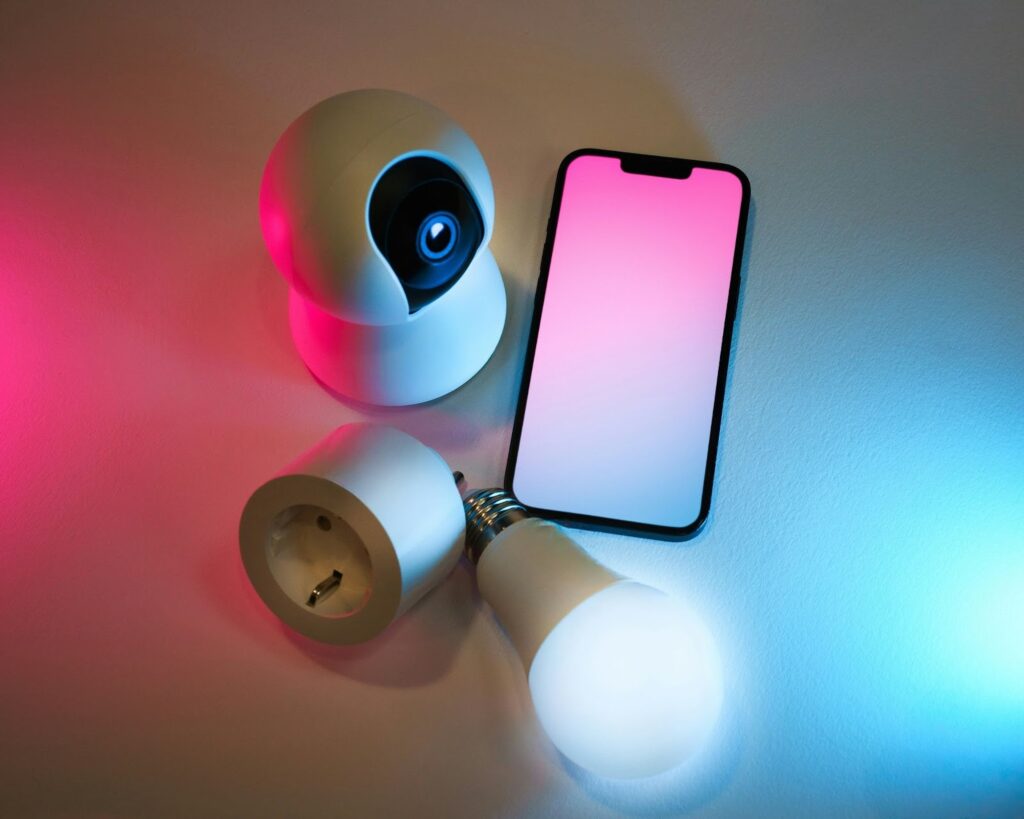
AI-powered smart home devices are redefining how people interact with their living spaces. Unlike traditional smart devices that rely on simple automation rules, AI-enabled systems can learn user preferences, adapt to behavior patterns, and make intelligent decisions in real time. From voice assistants and security systems to energy management and healthcare monitoring, artificial intelligence is turning homes into responsive, efficient, and personalized environments. This article explores how AI-powered smart home devices work, their key applications, benefits, challenges, and what makes them a reliable part of modern households.
What Are AI-Powered Smart Home Devices?
AI-powered smart home devices are connected appliances or systems that use artificial intelligence technologies—such as machine learning, natural language processing (NLP), and computer vision—to operate intelligently. These devices go beyond basic remote control or scheduling by analyzing data from sensors, user interactions, and environmental inputs.
Key AI Technologies Behind Smart Homes
- Machine Learning (ML): Enables devices to learn routines, such as preferred room temperatures or lighting schedules.
- Natural Language Processing (NLP): Allows voice assistants to understand and respond to spoken commands more accurately.
- Computer Vision: Powers smart cameras and doorbells to recognize faces, detect unusual activity, or differentiate between people, pets, and objects.
- Edge AI: Processes data locally on devices, improving speed and privacy by reducing reliance on cloud servers.
Core Applications of AI in Smart Homes
AI-Driven Voice Assistants
Voice assistants like smart speakers and displays act as the central interface for many smart homes. AI enables them to understand context, handle follow-up questions, and integrate with multiple devices. For example, a user can say, “Good night,” and the system can automatically lock doors, dim lights, and adjust the thermostat based on learned preferences.
Intelligent Home Security Systems
AI has significantly improved home security. Smart cameras and doorbells can identify familiar faces, send alerts for suspicious activity, and reduce false alarms by distinguishing between routine movement and potential threats. Some systems also integrate with smart locks, allowing controlled access for family members or service providers.
Smart Climate and Energy Management
AI-powered thermostats analyze occupancy patterns, weather forecasts, and energy usage to optimize heating and cooling. Over time, they learn when rooms are typically used and adjust settings automatically, improving comfort while reducing energy consumption. Smart energy monitors can also provide insights into appliance-level usage, helping households make informed decisions.
Adaptive Lighting Systems
AI-enabled lighting systems adjust brightness and color temperature based on time of day, natural light, and user activity. For instance, cooler light can be used during work hours to enhance focus, while warmer tones are applied in the evening to promote relaxation.
AI in Home Healthcare and Assisted Living
Smart home devices are increasingly used in healthcare and elderly care. AI-powered sensors can monitor movement patterns, detect falls, and track daily routines. These systems can alert caregivers or family members when unusual behavior is detected, supporting independent living while enhancing safety.
Benefits of AI-Powered Smart Home Devices
Personalization and Convenience
AI allows smart homes to adapt to individual lifestyles. Instead of manually configuring settings, users benefit from systems that learn and adjust automatically, saving time and effort.
Improved Energy Efficiency
By optimizing energy use based on real-world behavior, AI-powered devices can significantly reduce unnecessary consumption. This not only lowers utility costs but also supports sustainability goals.
Enhanced Safety and Security
Real-time analysis and intelligent alerts make AI-driven security systems more reliable than traditional solutions. Continuous learning helps improve accuracy over time.
Scalability and Integration
Modern AI-based smart home platforms are designed to integrate multiple devices into a unified ecosystem. As new devices are added, AI helps coordinate them seamlessly.
Challenges and Considerations
Data Privacy and Security
AI-powered smart homes rely on data collection to function effectively. Ensuring secure data storage, transparent privacy policies, and user control over information is essential for trust and compliance.
Interoperability Issues
Despite improvements, compatibility between devices from different manufacturers can still be a challenge. Industry standards and open platforms are gradually addressing this issue.
Learning Curve and Setup
While AI reduces manual effort in the long term, initial setup and customization may require time and technical understanding, especially for complex systems.
Best Practices for Adopting AI-Powered Smart Home Devices
- Start with Core Needs: Focus on key areas such as security, climate control, or energy management before expanding.
- Choose Reputable Brands: Opt for devices with proven reliability, regular software updates, and strong security practices.
- Review Privacy Controls: Understand how data is collected, stored, and shared, and adjust settings accordingly.
- Ensure Future Compatibility: Select platforms that support integration with other devices and evolving standards.
Conclusion
AI-powered smart home devices represent a significant step forward in home automation, offering intelligent, adaptive, and user-centric solutions. By combining machine learning, voice interaction, and real-time data analysis, these systems enhance comfort, efficiency, and security in everyday life. While challenges such as privacy and interoperability remain, thoughtful adoption and responsible use make AI-enabled smart homes a practical and valuable investment. As the technology continues to mature, AI-powered smart home devices are set to become an integral part of modern, connected living.


