
In the digital age, newsletters remain one of the most powerful ways to communicate with an audience you care about. Unlike social posts or fleeting ads, newsletters land directly in someone’s inbox — a space where attention is personal and intentional. Whether you’re a creator, small business owner, or professional building your brand, understanding why a newsletter matters and how to launch one without spending a dime can put you ahead of the curve.
What Is a Newsletter?
At its core, a newsletter is a regular publication distributed to subscribers with updates, insights, or curated content on a specific topic. It can be delivered by email or other digital means and is designed to keep readers informed, engaged, and connected with your message or brand.
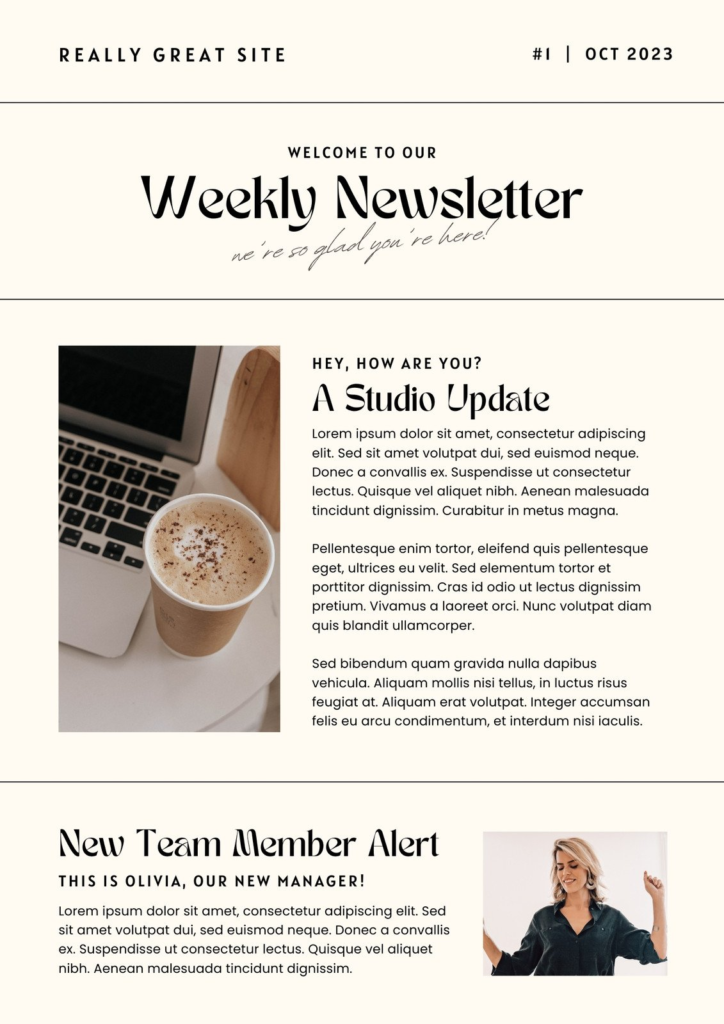
Well-crafted newsletters usually include articles, announcements, tips, or exclusive offers — all tailored to an audience that’s opted in because they want to hear from you.
The Case for Having a Newsletter
Stay Top-of-Mind and Build Trust
Sending regular newsletters keeps you present in your audience’s lives. Unlike social media channels, where algorithms decide who sees your content, a newsletter gives you direct access to subscribers’ inboxes. This control lets you nurture trust, share expertise, and reinforce your voice consistently.
Build a Community Around Your Brand
Newsletters aren’t just communications — they are relationship builders. By offering informative or valuable content over time, you foster loyalty, spark conversations, and turn casual visitors into engaged followers. Forbes highlights that newsletters help brands build loyal communities and personalize messaging for deeper audience connection.
Cost-Effective Marketing Strategy
Compared to other digital marketing channels, sending newsletters is exceptionally affordable. Free and freemium email tools let you collect subscribers, design email campaigns, and send updates to hundreds or thousands of people at no cost. That means even early-stage businesses can leverage email without breaking the bank.
Drive Traffic and Conversions
A newsletter is a traffic engine in its own right. By linking to blog posts, products, events, or social campaigns, every issue becomes an opportunity to bring readers back to your digital hub. Consistent engagement — delivered to inboxes — is also a reliable way to generate repeat traffic and conversions over time.
How to Start a Newsletter for Free
Starting a newsletter doesn’t require fancy tools or a big budget. Follow these clear steps to get up and running:
1. Define Your Goal and Audience
Before you send a single email, think about why you want a newsletter:
- Are you educating your audience?
- Building brand authority in a niche?
- Sharing updates on products or events?
Clarifying your purpose helps shape the tone, content, and frequency of your issues.
2. Choose a Free Newsletter Platform
Several reputable email service providers offer free plans that support growing newsletters:
- Mailchimp (free tier up to a set number of subscribers)
- Sendinblue (free monthly send limit)
- Substack (free newsletter and monetization tools)
- MailerLite (generous free limits)
These platforms provide templates, subscription forms, and analytics — everything you need to start.
3. Build an Email List
A newsletter is only valuable if people want to receive it. Create a signup form and promote it via:
- Your website/blog
- Social media profiles
- Events or in-person networking
- Collaboration with other creators
Making it easy to subscribe — and clearly stating what readers will receive — increases signups.
4. Craft Your First Issue
Your first newsletter should introduce you and explain:
- What readers can expect
- How often you send
- What value does your newsletter provides
Keep the message clear, personable, and relevant. Think about including links to blog posts, helpful tips, or key insights your audience will appreciate.
5. Send and Learn
Choose a cadence that you can maintain — weekly, bi-weekly, or monthly. After sending an issue, look at performance metrics like open rates, click-through rates, and unsubscribes to understand what content resonates best.
Practical Examples You Can Follow
- Personal Thought Leadership: Share insights on a professional topic weekly.
- Product Summary for Customers: Update customers on new features or offerings monthly.
- Industry Digest: Curate top news and trends relevant to your niche.
All of these can be started with free tools and scaled as your list grows.
Conclusion
Newsletters are more than just emails — they’re a strategic channel for building trust, fostering communities, and driving lasting engagement. With free tools and a clear plan, anyone can launch a newsletter that delivers real value to their audience. By defining your goals, choosing the right platform, and crafting content that resonates, you’ll create a communication channel that not only reaches inboxes but builds meaningful connections over time.
