
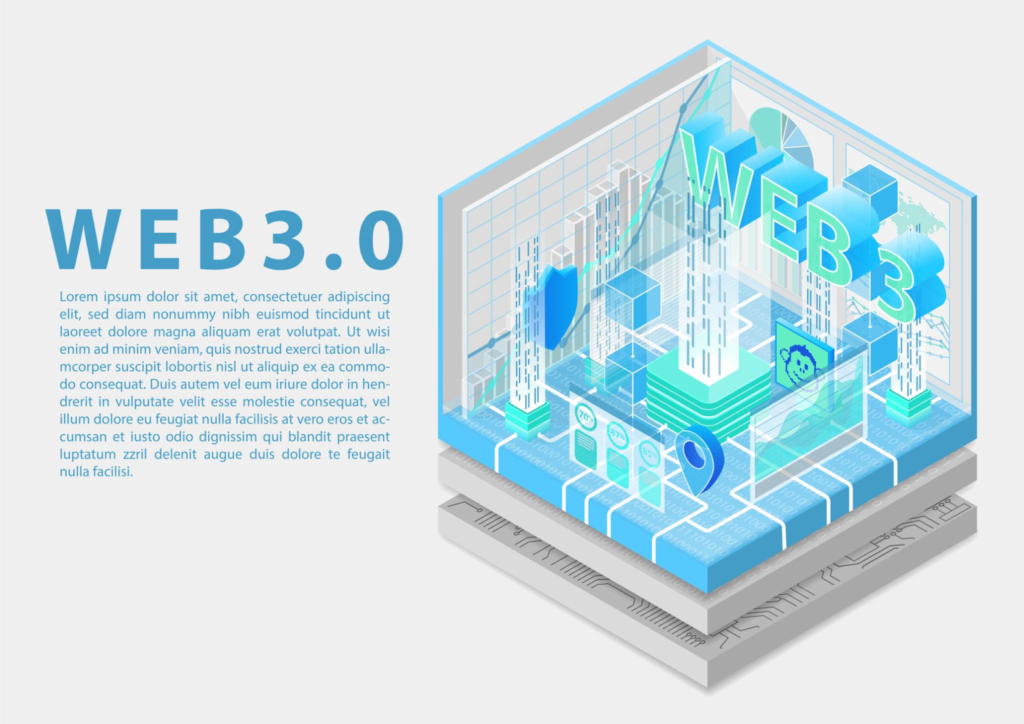
The term Web3 has quickly become a buzzword across technology, finance, and innovation circles. But beyond the hype, Web3 represents a fundamental shift in how the internet could operate—moving from centralized platforms controlled by a few powerful companies to decentralized networks owned and governed by their users. In this article, we’ll break down what Web3 really means, how it works, its real-world applications, and why it matters.
From Web1 to Web3: How the Internet Has Evolved
To understand Web3, it helps to see it as the next stage in the evolution of the internet:
Web1: The Read-Only Web
In the early 1990s and 2000s, the internet was largely a collection of static websites. Users could read information, but interaction was limited, and content creation was the domain of a few.
Web2: The Interactive Web
Over the last two decades, the internet has become interactive. Social media, user-generated content, cloud services, and mobile apps transformed how we engage online. But in Web2, a small number of centralized companies (like Meta, Google, and Amazon) control platforms, data, and user interactions.
Web3: The Decentralized Web
Web3 aims to flip that model. Instead of centralized servers and gatekeepers, Web3 uses decentralized networks where users hold more control over their data, identity, and digital assets.
“Web3 can enhance trust and fairness by relying on decentralized protocols rather than centralized authorities.” – Source: World Economic Forum.
The Core Technology: Blockchain and Decentralization
What Is a Blockchain?
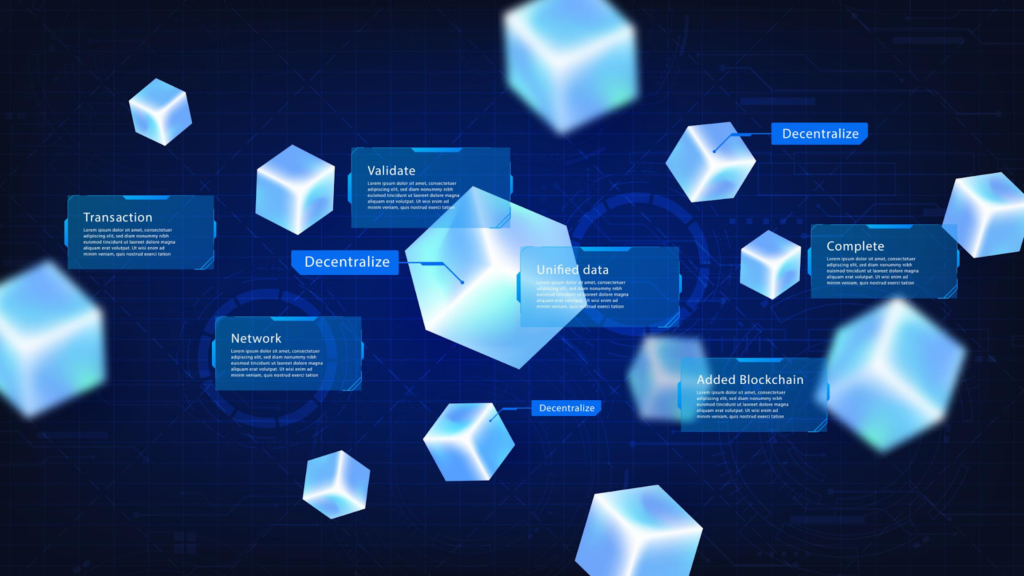
At the heart of Web3 lies blockchain technology—a distributed digital ledger that records transactions across many computers in a way that is transparent, tamper-resistant, and verifiable.
Because no single entity controls the network, users can transact and interact directly with one another without intermediaries.
Key Features of Web3 Technology
- Decentralization: Data and control are spread across many nodes rather than held by one company.
- Trustless Systems: Users don’t need to know or trust each other; the system’s rules enforce fairness.
- Immutable Records: Transactions cannot be altered once recorded, preserving integrity.
- Programmability: Automated, self-executing contracts (smart contracts) govern actions based on coded rules.
Smart Contracts: Code That Runs Itself
A smart contract is a piece of code stored on a blockchain that runs automatically when predefined conditions are met. This removes the need for third-party intermediaries.
Practical Example:
Imagine an online freelancer marketplace. Instead of a company holding funds and releasing them once work is done, a smart contract could automatically release payment when both parties confirm delivery of agreed tasks.
Real-World Web3 Applications
Web3 isn’t just a concept—it’s already being used in several domains:
Decentralized Finance (DeFi)
Web3 enables financial services without traditional banks. Through DeFi applications, users can:
- Borrow and lend assets without paperwork,
- Earn interest using crypto liquidity pools,
- Trade digital assets on decentralized exchanges.
These systems operate 24/7 and are accessible to anyone with an internet connection.
Non-Fungible Tokens (NFTs)
NFTs are unique digital tokens representing ownership of specific items—like digital art, music, or virtual land.
Example: An artist can sell unique artwork as an NFT, and the blockchain verifies ownership. Secondary sales can even automatically pay royalties using smart contracts.
Decentralized Autonomous Organizations (DAOs)
DAOs are community-governed groups without centralized leadership. Decisions are made through member voting, with rules encoded in smart contracts.Example: A gaming community could use a DAO to decide which features to fund next, without a central authority.
Identity and Data Ownership in Web3
In today’s internet, big companies often control user data. Web3 promises a shift toward self-sovereign identity—where users own and control their digital identity.
This concept allows:
- Portability of personal information across services,
- Selective sharing of data with explicit user permission,
- Reduced risk of large-scale data breaches.
Challenges and Realities of Web3
While Web3 offers significant promise, it also faces practical challenges:
- Scalability: Some blockchain networks struggle to handle large transaction volumes efficiently.
- User Experience: Wallets, keys, and decentralized apps (dApps) can be complex for newcomers.
- Security Risks: Smart contract bugs and phishing attacks remain real threats.
- Regulatory Uncertainty: Laws governing cryptocurrencies and decentralized protocols are still evolving around the world.
These issues don’t negate the value of Web3—they highlight areas where innovation and standards are still developing.
Why Web3 Matters
Web3 represents more than a technical upgrade—it’s a shift toward greater digital autonomy. By removing centralized chokepoints, Web3 can:
- Empower creators and communities,
- Reduce dependence on intermediaries,
- Provide more transparent and equitable systems,
- Potentially expand access to financial and digital services.
For students, developers, and professionals alike, understanding Web3 is increasingly relevant as digital ecosystems continue to evolve.
Conclusion
Web3 is the next chapter in the evolution of the internet—moving from centralized platforms to decentralized networks where users have more control, transparency is built in, and code governs key processes. While challenges remain, the real-world applications of Web3 are growing across finance, governance, art, and data ownership.
