

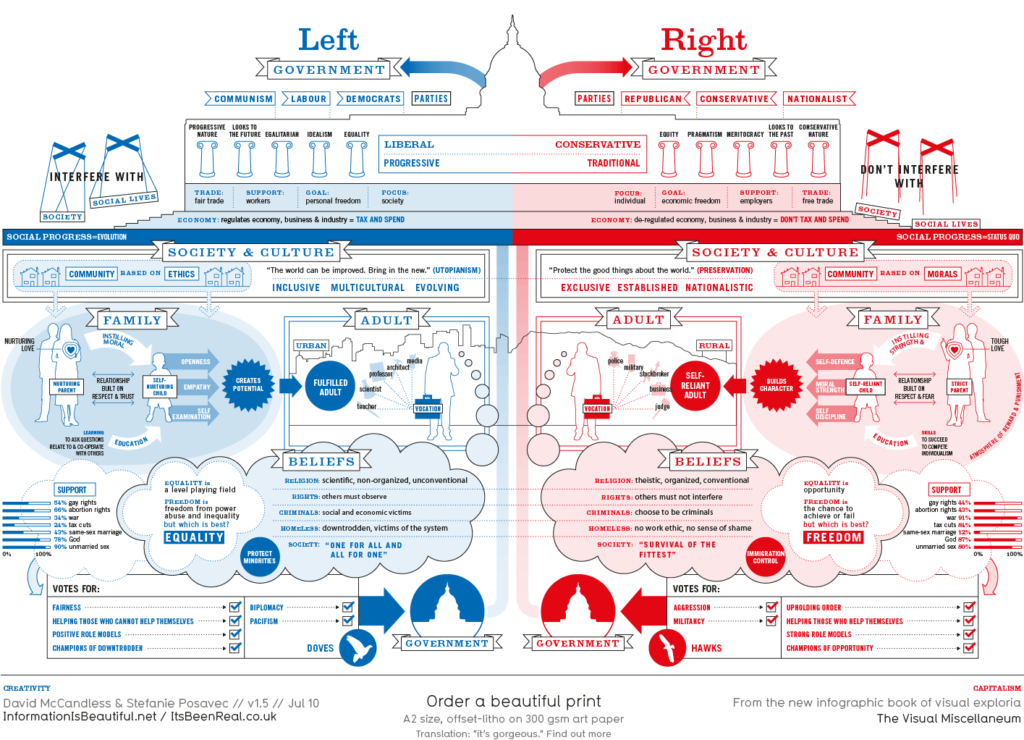
Political parties shape governance, influence public policy, and give structure to modern democracies. At their core, political parties are organized groups that seek to gain and exercise political power—typically by competing in elections, mobilizing voters, and implementing policy agendas when in office.
Understanding how parties differ from one another is essential for informed citizenship, civic engagement, and evaluating real-world political debates. This article explains the foundational concepts behind political party comparisons, describes major ideological families, shows how parties are analyzed, and outlines practical examples of comparisons in action.
What Is a Political Party?
A political party is an organized collective of individuals who share ideas about governance and public policy, and who work together to elect candidates and influence government actions.
Parties typically have:
- Ideological foundations — core principles guiding beliefs about society, economics, and government roles.
- Policy platforms — specific proposals they seek to implement.
- Organizational structures — leadership, membership, and administrative bodies.
How Political Parties Are Compared
Comparing Ideologies
Political scientists often use the political spectrum to classify parties: a model that places ideological positions along one or more axes. The most familiar version arranges ideas from left to right, where the “left” often prioritizes social equality and government roles in welfare, and the “right” tends toward individual freedom and free-market economics.
This framework helps compare general party leanings—for instance, socialist parties might emphasize wealth redistribution and strong social programs, whereas conservative parties might stress economic freedom and traditional institutions.
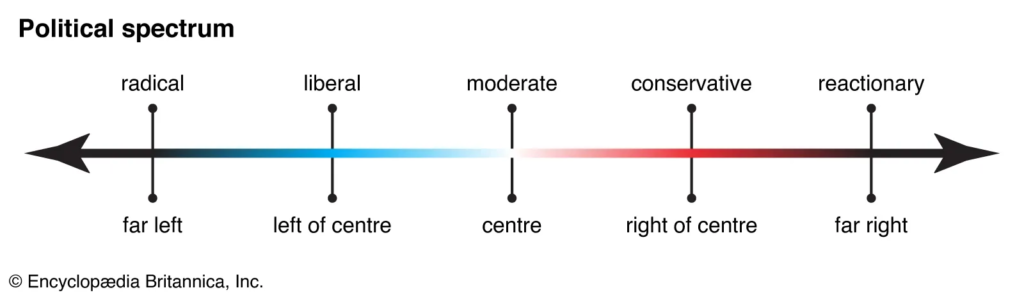
Types of Comparisons
1. Ideological Placement
Parties can be ranked along ideological lines such as liberal, conservative, socialist, or libertarian. These labels describe broad policy commitments and values rather than specific policies.
2. Policy Stance Comparisons
In applied settings (especially around elections), tools like voting advice applications assess how parties align on issues such as healthcare, taxation, or foreign policy.
For example, a voter tool might score Parties A, B, and C on environmental regulation, showing that Party A supports aggressive decarbonization, Party B prefers moderate regulation, and Party C prioritizes economic growth over environmental policy.
3. Functional and Structural Comparisons
Beyond ideology, parties may differ in organization and role. Some systems have two dominant parties, while others have multi-party systems with coalitions. Structural comparisons help explain electoral strategies, coalition building, and governance dynamics.
Core Ideological Families in Party Systems
Left-of-Center Parties
Parties labeled left-wing often advocate:
- Social equality measures
- Government intervention in the economy
- Robust public services
These parties may include social democratic or democratic socialist movements.
Centrist Parties
Centrists generally aim to balance individual freedom with social welfare. They may support pragmatic policies that appeal to broad electorates.
Right-of-Center Parties
Right-wing parties typically prioritize:
- Limited government
- Market freedoms
- National traditions
Conservative and some libertarian parties fall into this category.
Other Dimensions
Many comparisons go beyond left-right. For example, some frameworks include authoritarian-libertarian scales or evaluate positions on social issues, national identity, and environmental policy.
Practical Examples of Party Comparisons
Comparative Elections
During elections, media outlets and civic tech organizations often publish side-by-side summaries of party manifestos. These explain differences in taxation, education spending, civil liberties, and health policy, helping voters assess where each party stands.
Policy Research and Academia
Scholars compare parties across countries to understand how different party systems affect democracy, governance, and policy stability. Such comparative work informs debates about electoral reform and democratic resilience.
Voter Education Tools
Interactive platforms allow users to answer questions about policy preferences and then see which parties align closest to their views. These tools make comparisons both personalized and data-driven.
Real-World Applications
- Informing Voters: When considering how to vote, understanding party differences on key issues helps voters make choices aligned with their values.
- Civic Engagement: Comparing parties empowers citizens to hold parties accountable for their promises once in office.
- Policy Advocacy: Advocacy groups use comparative analysis to lobby parties more effectively based on their recorded positions or commitments.
Conclusion
Comparing political parties is both a science and a civic art. By examining ideological foundations, policy stances, organizational structures, and real-world behavior, individuals and institutions gain clearer insights into how parties shape public life. Whether for voting decisions, academic research, or civic education, nuanced comparisons help strengthen democratic participation and informed decision-making.
Political parties are foundational to governance everywhere; understanding their differences equips citizens to better navigate the political landscape with insight and confidence.
