

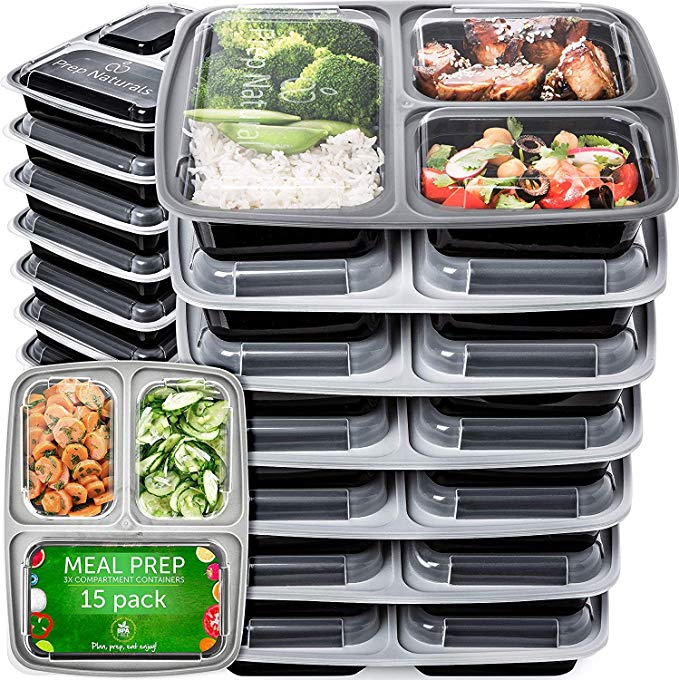
Meal prepping doesn’t have to mean spending hours at the stove or eating the same boring meals every day. For people who dislike cooking, meal prep can instead be a smart, streamlined way to eat better, reduce stress, save money, and free up time. With the right strategies, “prepping” becomes less about cooking and more about planning, assembly, and simplification — a method that makes healthy eating achievable without turning your kitchen into a battleground.
What Is Meal Prepping Really?
At its core, meal prepping is about preparing food ahead of time so your future self doesn’t have to think hard about what to eat. This might mean:
- Making full meals ahead
- Preparing components (like grains or proteins) in bulk
- Using ready-to-eat ingredients, you can assemble quickly later
According to nutrition experts, breaking meal prep into manageable tasks (menu planning, grocery shopping, simple cooking, or assembly) is foundational to success and reduces decision fatigue during the week.
Why Meal Prep Works — Even If You Hate Cooking
Less Daily Decision Making
The biggest benefit of prepping is that you eliminate the daily “what do I eat?” question. Once your food is ready to eat or assemble, lunch and dinner become simple choices rather than time-consuming tasks.
Predictability and Control
Planning lets you control what goes into your meals — from portion size to nutrients — without having to cook from scratch every day.
Time Saved Over the Week
A short prep session once or twice a week replaces multiple cooking sessions, meaning less time in the kitchen overall.
Simple Strategies That Don’t Feel Like Cooking
1. Adopt a Component-Based System
Instead of cooking entire dishes, prepare basic ingredients you can mix and match:
- Proteins: Rotisserie chicken, canned tuna, baked tofu
- Grains: Pre-cooked quinoa, rice, or instant grains
- Veggies: Pre-washed salad greens, steam-in-bag veggies
- Extras: Canned beans, nuts, cheese
- Sauces: Store-bought sauces or dressings
This approach gives variety without complexity — one batch can serve many combinations.
2. Use Ready-to-Eat & Minimal-Prep Items
You don’t need to cook everything from scratch:
- Pre-cut vegetables
- Microwavable whole grains
- Pre-cooked proteins
- Frozen steam-in-bag veggies
These items can reduce prep time and eliminate chopping, peeling, and long cook times — a huge bonus for people who dislike cooking.
3. Embrace the “Plus One” Method
Whenever you do cook — even once a week — make an extra portion intentionally. That extra rice, grilled chicken, or pasta becomes tomorrow’s lunch or a base for another quick dinner.
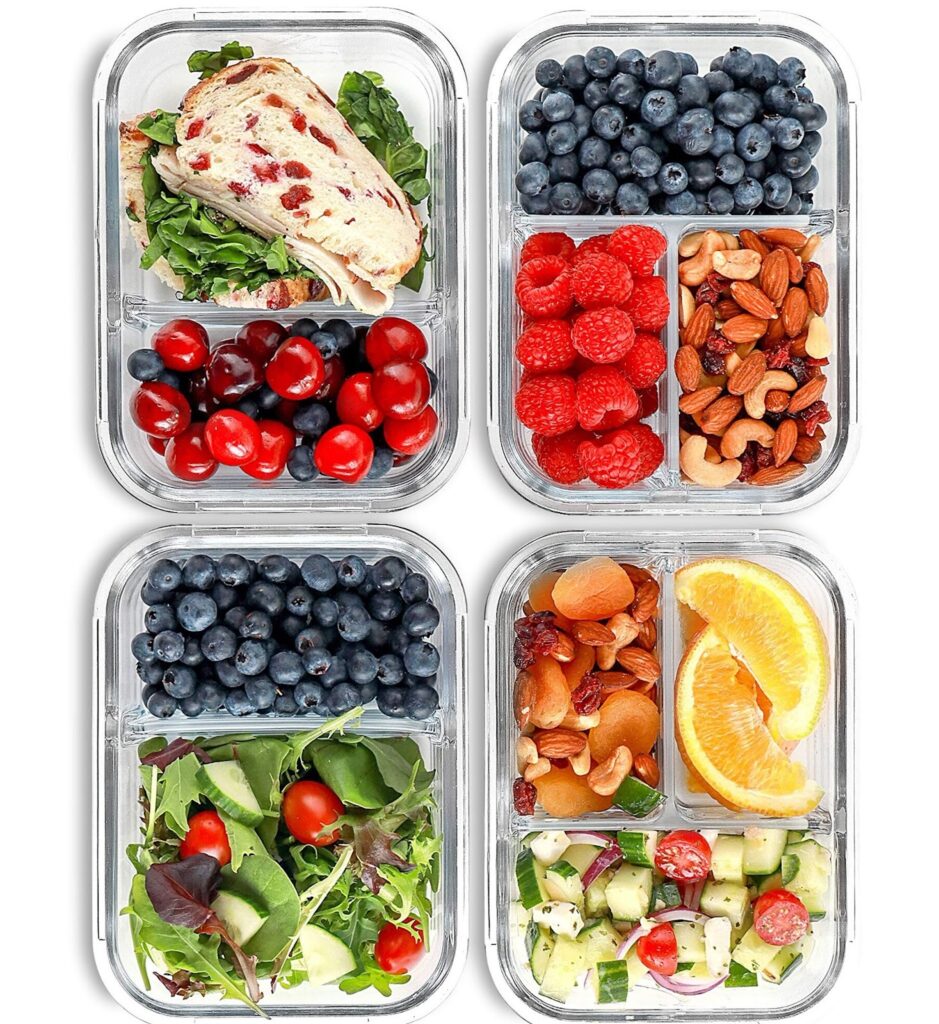
Building a Weekly Plan (Without Overthinking)
Start With Your Favorites
Make a short list of meals you genuinely enjoy. These don’t have to be elaborate — simple is better. Then shop only for ingredients that support those meals.
Match Planning with Grocery Shopping
Plan and shop simultaneously to avoid impulse decisions. A grocery list aligned with your meal plan reduces waste and keeps things focused.
Keep It Flexible
You don’t have to cook everything in advance. Some people prep only breakfasts and lunches, or just components rather than full plates. The goal is minimal effort with maximum payoff.
Practical, Real-World Examples
Here’s how a week might look for someone who hates cooking but wants convenience and nutrition:
- Sunday: Roast a tray of vegetables, bake chicken breasts, and cook a pot of rice.
- Monday: Lunch = rice bowl with chicken and veggies. Dinner = salad with leftover chicken + dressing.
- Tuesday: Wrap with leftover veggies, cheese, and hummus.
- Wednesday: Grain bowl with canned beans, leftover rice, and fresh greens.
- Thursday: Quick stir-in sauce over reheated grains and protein.
- Friday: Use frozen steam-in-bag veggies with pre-cooked chicken tenders.
These small efforts translate into easy options all week without daily cooking.
Conclusion
Meal prepping for people who hate cooking doesn’t require culinary skill, hours in the kitchen, or strict routines. It’s about reducing effort, increasing convenience, and building a system that works with your preferences. By focusing on simple components, using convenience foods wisely, and planning in small steps, you can enjoy easy, satisfying meals without turning meal prep into a chore.
