

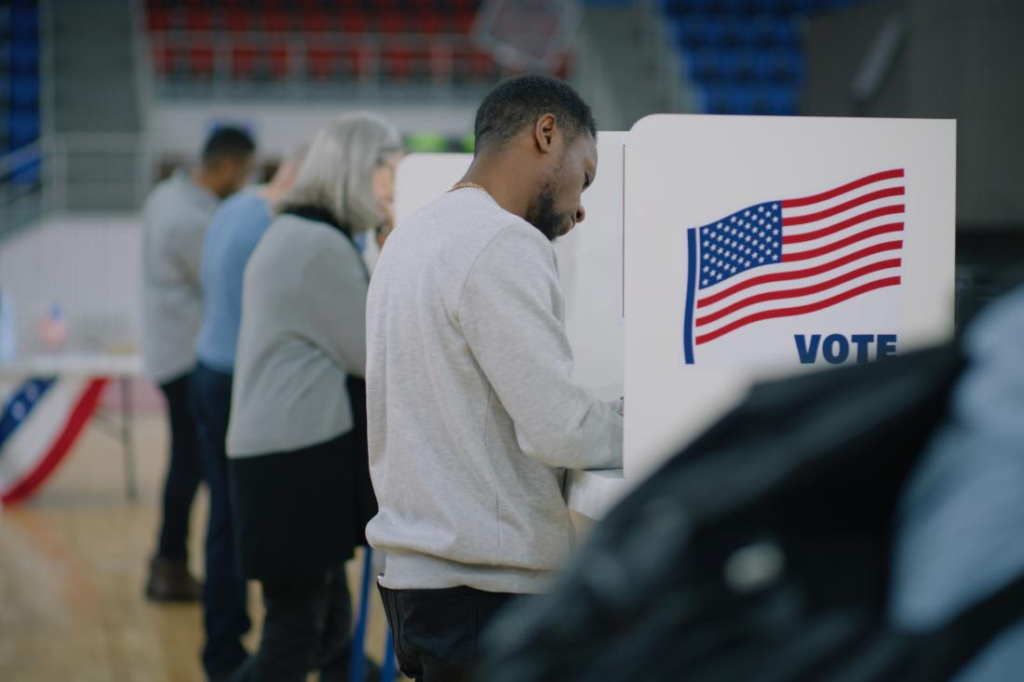
Elections are far more than a ballot cast in a single country. They are foundational instruments of democratic choice, shaping policies, political priorities, and international relations. When national elections occur around the globe, their influence often extends beyond borders — affecting global markets, security alliances, human rights priorities, and the everyday lives of millions.
In this article, we explore the multifaceted impacts of global elections, breaking down their significance in clear, digestible sections and illustrating real-world examples to show their practical effects on societies and international systems.
What We Mean by “Global Elections”
Global elections refer to the cumulative wave of national electoral processes that occur across different countries in a given period. While every election is by definition domestic, the aggregate patterns and outcomes influence global trends — from governance models and geopolitical alignment to economic confidence and transnational cooperation.
Democratic Legitimacy and Public Trust
Strengthening or Weakening Public Confidence
Elections are the primary mechanism through which citizens endorse or reject governing authorities. When these processes are perceived as fair, transparent, and widely accessible, they strengthen democratic legitimacy. Conversely, flawed elections — marred by irregularities or oppression — erode public trust.
Example: International observers play crucial roles in assessing electoral integrity. Organizations like the United Nations Office for Democracy help ensure standards are met, and their reports influence foreign aid and diplomatic relations.
Peaceful Transitions of Power
A key hallmark of stable democracies is the peaceful transfer of power. The peaceful transition not only reinforces public trust but also sets a benchmark for other nations.
Real-World Application: When a long-standing leader steps down through electoral processes rather than conflict, it signals political maturity. Countries like Ghana and Uruguay are often cited as examples of consistent peaceful transitions in competitive elections.
Global Elections and the Economy
Market Stability and Investor Confidence
Financial markets pay close attention to election outcomes. Policies on taxation, trade, regulation, and public spending hinge on who wins power — and markets react accordingly.
Example: A shift toward fiscally conservative leadership may boost investor confidence in certain sectors, while populist reform agendas can lead to volatility in bond markets.
High Authority Reference: For an overview of how elections affect economic policy, see World Bank’s analysis of political cycles and economic growth.
Trade Policies and International Agreements
Elections also influence global trade dynamics. New governments may alter tariffs, renegotiate trade deals, or change relationships with trade blocs such as the European Union or ASEAN.
Example: A government that prioritizes economic nationalism may withdraw from trade agreements, directly affecting global supply chains and commodity prices.
Elections and Geopolitics
Shifting Alliances and Foreign Policy
When leadership changes in key countries, foreign policy directions often follow suit. Global alliances — such as NATO or strategic partnerships in the Indo-Pacific — may be reaffirmed or reevaluated depending on electoral outcomes.
Real-World Context: Electoral shifts in major powers can lead to renewed diplomatic engagement or heightened tensions. This was seen when several countries redefined their foreign policy priorities after recent elections, impacting cooperation on climate, security, and trade.
Elections and International Security
National elections can also affect global security environments. Leaders with strong defense agendas influence global military spending, intervention policies, and counterterrorism cooperation.
Example: Leadership changes have affected negotiations on nuclear non-proliferation and responses to regional conflicts.
Social Policy and Human Rights
Domestic Policy Shifts With Global Ripple Effects
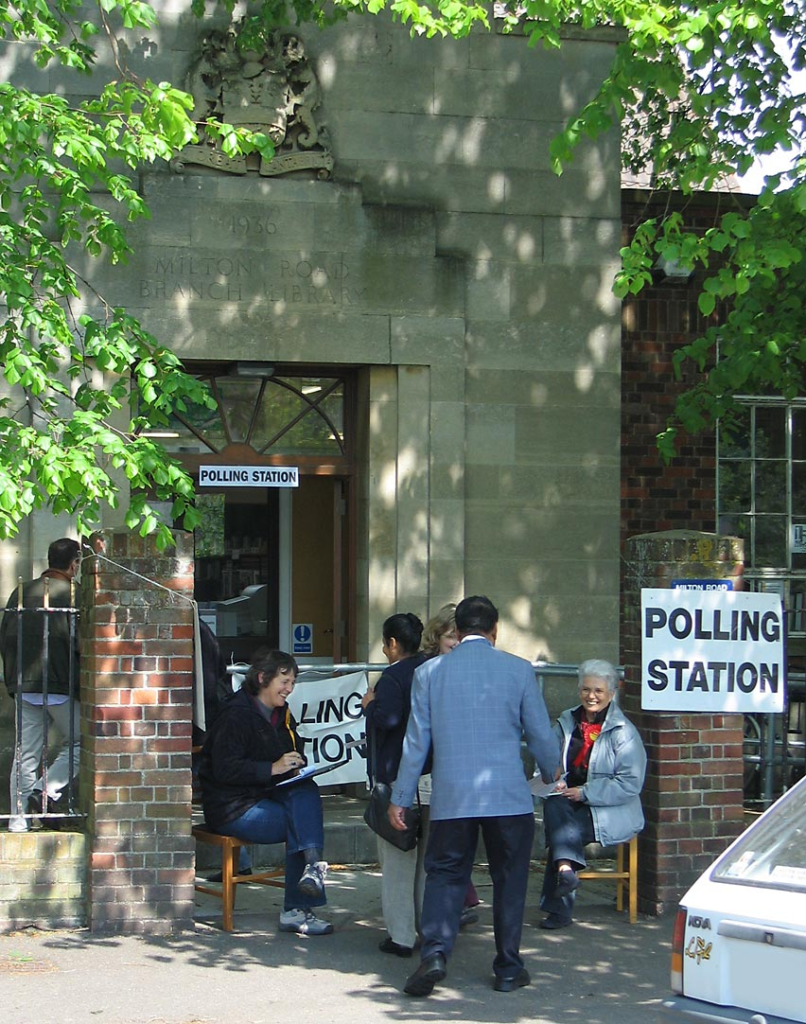
Elections often determine social policies related to education, healthcare, gender equality, and minority rights. When democratic mandates emphasize human rights, they can inspire similar reforms abroad.
Case in Point: Countries that adopt progressive gender equity laws or expand healthcare access may influence other nations through diplomatic advocacy or international development programs.
Protecting Civil Liberties
The outcome of an election can either strengthen or weaken protections for civil liberties. Governments committed to democratic principles tend to uphold freedom of speech, assembly, and the press, reinforcing global norms.
Example: International watchdogs like Freedom House monitor elections to evaluate the state of civic freedoms and provide insights into global trends in democracy.
Civic Engagement Beyond National Borders
Diaspora Voting and Transnational Influence
In an increasingly connected world, migrants and diaspora communities participate in elections from abroad. This not only affects national politics but also strengthens cultural and economic ties across nations.
Real-World Application: Countries with large expatriate populations — such as Mexico and India — facilitate voting from abroad, enhancing political engagement among global citizens.
Global Norms and Electoral Standards
Elections help set benchmarks for governance worldwide. When a country successfully implements transparent, inclusive electoral processes, it becomes a model for democratic reform in the region.
Practical Example: Electoral best practices include independent election commissions, voter education campaigns, and secure digital reporting systems — elements that improve participation and legitimacy.
Challenges and Limitations
Misinformation and Foreign Interference
One of the most pressing issues in modern elections is the spread of misinformation and attempts at external influence. Social media platforms and foreign actors can manipulate narratives, undermining confidence in electoral outcomes.
Note: Combatting misinformation requires robust digital literacy programs and international cooperation to protect the integrity of the democratic process.
Polarization and Institutional Strain
Elections can become sources of deep social division, particularly in polarized political environments. When institutions are weakened or lack independence, public confidence declines, potentially leading to unrest.
Mitigating Strategy: Strengthening judicial independence, supporting nonpartisan election oversight, and fostering inclusive political dialogue help maintain stability.
Conclusion: Why Global Elections Matter
Elections are more than ceremonies of democracy; they are pivotal events that shape political authority, guide economic policy, and influence global cooperation. As citizens vote at the ballot box, they not only impact their own nation’s future but also contribute to the direction of international relations, economic stability, and human rights norms.
Understanding the broader implications of global elections empowers informed engagement — whether as a voter, policymaker, student, or global citizen. In an interconnected world, the ripple effects of one nation’s election can reach far beyond its borders, underscoring the enduring importance of democratic processes everywhere.

1 Comment
Pingback: Is a Free Password Manager Safe for Families? - Blackbud