

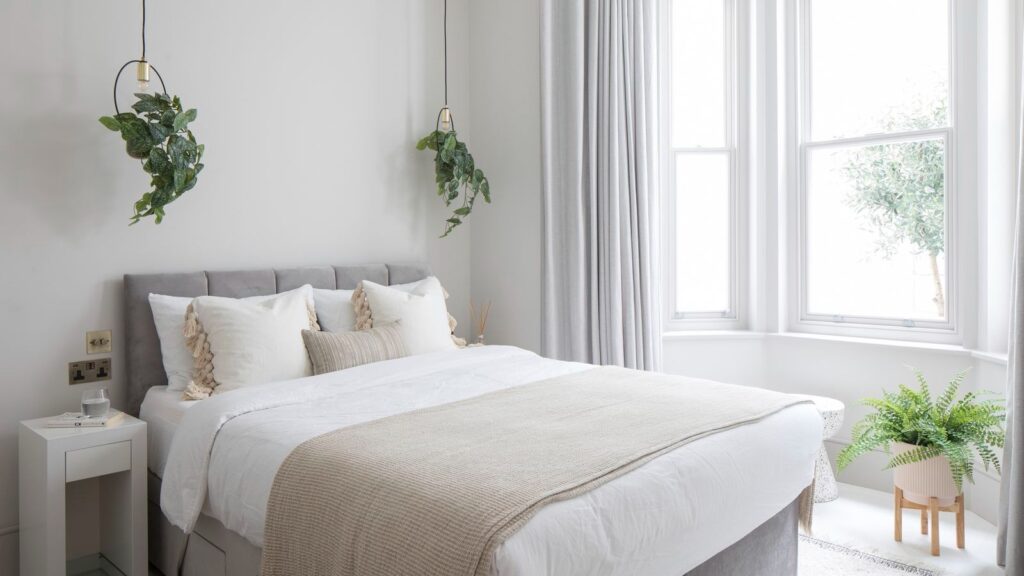
Sleep is essential—not just a nightly reset but a foundation for physical and mental health. The environment where you sleep plays a central role in how deeply and consistently you rest. Intentional design of your bedroom can improve your sleep quality, help you relax faster at night, and wake you up feeling refreshed. This guide breaks down how to craft a true sleep sanctuary—one that supports restorative sleep and sanctuary-like calm.
Why Your Bedroom Matters
Your bedroom isn’t just a place to lie down—it’s where your nervous system should be able to switch fully into rest and repair. A sleep-friendly room:
- Minimizes distractions like noise and bright light
- Supports your body’s natural rhythms through temperature and lighting
- Promotes a sense of calm and safety
Research underscores how the environment affects sleep quality, and even small changes can shift your rest patterns for the better.
Declutter and Simplify
The Power of a Clean Space
Clutter isn’t just visually distracting—it can trigger stress and anxiety, making it harder to fall asleep. Clear surfaces and storage zones keep your space calm and orderly, signaling to your brain that this area is for rest, not work or worry.
Practical Example:
Set a weekly 10-minute reset where you fold blankets, put away clothes, and tidy up surfaces before bedtime.
Light Control: Darkness Encourages Sleep
Blackout Curtains and Dimmers
Exposure to light before and during sleep suppresses melatonin—the hormone that helps you doze off. Install blackout curtains or shades and consider dimmable bedside lamps to gradually reduce light with your evening routine.
Pro Tip:
Use warm, low-intensity bulbs in the evening to cue your body that it’s time for rest.
Temperature and Air Quality
Cool, Comfortable, and Fresh
Most sleep experts recommend a bedroom temperature between about 60–72°F (15–22°C) to support deeper sleep. Too hot or too cold can interrupt cycles, especially later in the night.Real-World Tip:
Use breathable bedding fabrics like cotton or bamboo, which help regulate the microclimate around your body, and keep a fan or window open for fresh air.

Sound and Scent
Reduce Noise
Even subtle sounds can rouse the brain. Consider soft background noise (like a white noise machine or fan) to mask unpredictable disturbances.
Calming Aromas
Scent can influence mood and relaxation. Aromatherapy using lavender or chamomile has been associated with reduced stress and sleep onset times.
Bed and Bedding: Center of the Sanctuary
Invest in Quality
Your bed should feel like the reward at the end of your day.
- Choose a mattress that provides proper support for your sleep style
- Layer bedding for both comfort and temperature control
- Use pillows suited to your sleeping posture
Example:
A medium-firm mattress with natural fiber sheets can reduce overheating and pressure points for many sleepers.
Color and Decor
Choose Soothing Tones
Cool, muted hues—such as soft blues, greens, or earth tones—promote calm by reducing visual stimulation. Avoid overly bright or intense colors that may subconsciously signal alertness.
Personal, Not Distracting
Decorate with meaningful art or family photos, but keep accessories minimal to avoid sensory overload. The goal is balance: comfort without clutter.
Build a Relaxing Bedtime Routine
Signal Your Body It’s Time to Wind Down
A consistent nighttime habit—whether reading a book, light stretching, or journaling—helps your mind dissociate from alert states.
Example Ritual:
- Dimming lights 60 minutes before bed
- A warm cup of caffeine-free tea
- Soft music or silence
Over time, your brain links these cues with sleep, smoothing the transition from wakefulness to rest.
Technology: Know What to Limit
Screens Disrupt Rhythm
Blue light from phones, tablets, or TVs suppresses melatonin and delays sleep onset. Try a phone-free “sleep zone” in the bedroom and move evening screen time to another room when possible.
Conclusion
Creating a sleep sanctuary isn’t about one dramatic makeover—it’s about harmonizing environment, habits, and comfort to create a space that promotes the deepest rest possible. From controlling light and sound to refining decor and routines, each element contributes to a bedroom designed for sleep success. Thoughtful adjustments rooted in sleep science and real-world application can transform your nightly rest and support lasting well-being.
