

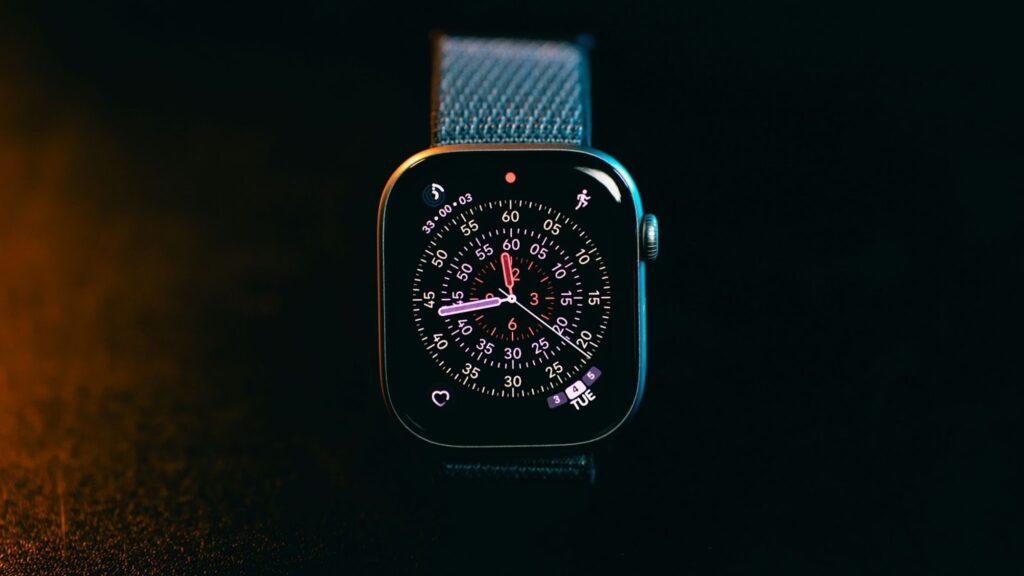
In today’s health-conscious world, fitness trackers have become essential tools for anyone serious about improving their well-being. From casual walkers to elite athletes, these wearable devices provide insights that motivate better habits and empower smarter decisions. Modern fitness trackers go far beyond counting steps — they monitor sleep quality, stress levels, heart health, and even blood oxygen saturation, giving users a holistic view of their physical wellness.
What Is a Fitness Tracker? A Quick Overview
A fitness tracker is a wearable device — typically worn on the wrist or as a ring — that continuously measures physical activity and physiological signals throughout the day. Offering real-time feedback via an accompanying app, these devices help you understand your body better and can boost motivation by showing measurable progress over time.
How They Work
Most trackers use combinations of sensors, such as:
- Optical heart rate monitors
- Accelerometers for motion tracking
- Gyroscopes for movement detection
- SpO₂ sensors for blood oxygen levels
These sensors collect raw data that’s processed into meaningful metrics like calories burned, distance traveled, sleep stages, and more.
Why Fitness Trackers Matter: Core Benefits
1. Accurate Activity Monitoring
Fitness trackers count steps, log active minutes, and measure distance, giving you tangible data to gauge daily movement. This data reinforces positive behavior changes — for instance, increasing step goals or tracking improvement in workouts.
Real-world example: A beginner runner can compare weekly step and distance trends to progress toward training goals.
2. Heart Health and Vital Signs Tracking
Advanced trackers provide continuous heart rate monitoring and SpO₂ (blood oxygen) tracking. These insights help users spot irregular patterns and manage cardiovascular health more effectively.
Application: Monitoring resting heart rate over weeks can help detect stress or overtraining.
3. Sleep Quality Analysis
Sleep has direct effects on recovery, mental performance, and overall health. Fitness trackers identify sleep stages (light, deep, REM), helping users optimize bedtime routines for better rest.
Tip: Use sleep data to adjust sleep schedules, caffeine intake, or screen usage before bed.
4. Personalized Fitness Goals and Coaching
Modern wearables integrate with apps to offer personalized coaching, adaptive workout plans, and recovery guidance based on progress and performance trends.
Example: A tracker might suggest rest days or stress-focused activities if your recovery score is low.
5. Motivation and Habit Formation
Seeing daily and weekly stats — such as step count, calories burned, and active minutes — encourages consistent effort and creates habit loops that support long-term lifestyle changes.
Top-Rated Fitness Trackers Worth Considering
Below are some of the most respected fitness trackers in the wearable space, suitable for different user goals:
Samsung Galaxy Watch8
A powerful all-around wearable that combines smart features with robust fitness tracking. It’s ideal for Android users who want a blend of health metrics and smartwatch convenience, including GPS, heart rate monitoring, and stress tracking.
Best for: Android smartphone users seeking comprehensive tracking and everyday usability.
Amazfit GTS 4 Smart Watch
This stylish smartwatch offers an excellent balance of performance and value. With GPS, multiple sport modes, long battery life, and heart health tracking, it’s a strong choice for fitness enthusiasts on a budget.
Best for: Versatile tracking with a long battery life.
WHOOP 5.0 One Health and Fitness Tracker
A unique screenless tracker focused on performance and recovery metrics. WHOOP emphasizes training load, sleep optimization, and strain — making it a favorite among serious athletes and data-driven users.
Best for: Dedicated athletes and recovery optimization.
Ultrahuman Ring AIR Smart Tracker
A discreet smart ring that measures key metrics like activity, sleep, and metabolic data. It’s ideal for users who prefer a minimalist form factor without the bulk of a wrist device.
Best for: Small-form health tracking without a wristband.
Boat Smart Ring Active Plus Health Monitor and Pebble Advanced Health Tracking Fitness Band
Affordable options providing essential health metrics like heart rate, activity tracking, and basic sleep monitoring — perfect for beginners or budget-conscious users.
Best for: Entry-level users dipping a toe into fitness tracking.
Choosing the Right Tracker: Practical Tips
Consider the following when shopping:
- Compatibility: Make sure the tracker works with your smartphone’s operating system. Apple and Wear OS devices often have platform limits.
- Battery Life: If you prefer not to charge daily, opt for trackers with extended battery life.
- Primary Goal: Are you focused on sleep, running, or daily activity? Choose a model tailored to that priority.
- Comfort and Design: Wearables you enjoy wearing are more likely to produce consistent data.
Conclusion: Fitness Trackers as Lifestyle Tools
Fitness trackers are more than gadgets — they’re companions on a journey to better health. Whether you’re counting steps, managing stress, optimizing sleep, or pushing athletic limits, the right tracker provides actionable insights that help transform behavior into measurable outcomes. With innovations continuing to emerge, these devices are increasingly powerful allies in maintaining a healthier, more active life.
